
Castilla ulei
Castilla ulei
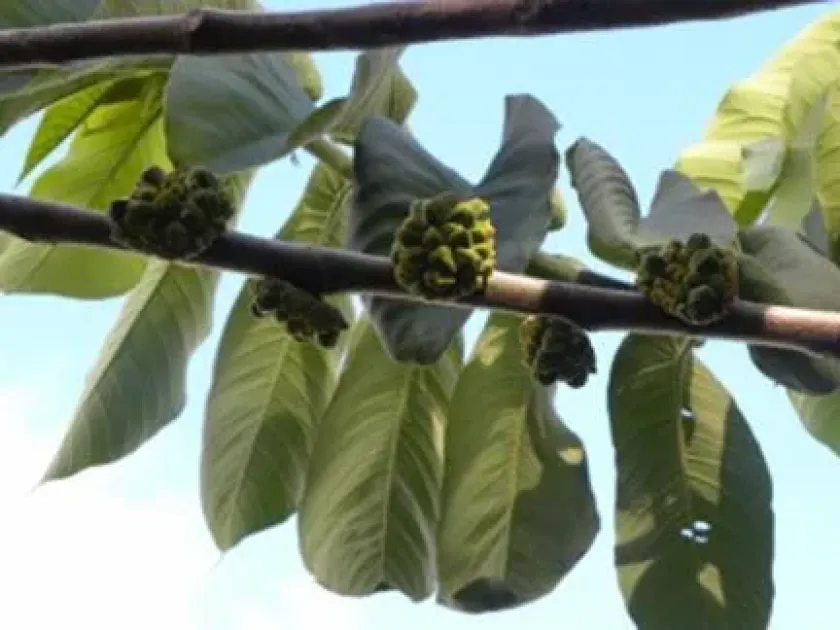
Description
Growing requirements
Castilla ulei is a notable tropical tree species belonging to the Moraceae family. Naturally occurring in the Amazon basin, this plant is recognized for its ability to produce high-quality latex, serving as a significant botanical resource in its native ecosystem.
The tree thrives in humid tropical climates characterized by consistent rainfall and high temperatures throughout the year. It prefers deep, nutrient-rich alluvial soils that provide both excellent drainage and the moisture retention necessary for vigorous development.
From a botanical standpoint, Castilla ulei is characterized by a rapid juvenile growth phase that requires protection from direct, intense sunlight. As the tree matures, it develops a robust structural canopy that enables it to compete effectively for resources within the forest environment.
Agronomic requirements include regular soil enrichment and careful management of shade levels during the initial establishment of plantations. Maintaining consistent soil moisture is essential, as the species is sensitive to prolonged water stress or extremely dry conditions.
Propagation is typically managed through seeds or clonal cuttings. Proper spacing in plantations is critical to ensure adequate air circulation, which helps reduce the risk of humidity-related physiological stresses in the growing trees.
Harvesting
The primary economic use of Castilla ulei is the extraction of latex, obtained through precise tapping of the trunk. This traditional agricultural practice requires specialized skills to avoid damaging the inner layers of the bark while ensuring optimal flow of the milky sap.
Post-harvest processing involves the coagulation of the latex, a critical step that dictates the quality of the final rubber product. Efficient coagulation methods must be employed to maintain the purity and integrity of the harvested sap.
Managing the tapping schedule is vital for the sustainability of the yield. Tapping cycles are designed to allow the plant time to recover, preventing long-term damage to the tree and ensuring that it remains productive for many years.
The yield of latex can fluctuate based on seasonal rainfall and the individual health status of the tree. Producers monitor these factors closely to optimize the harvest intervals and maximize the efficiency of rubber collection efforts.
Modern approaches focus on integrating sustainable tapping techniques that promote faster wound healing on the trunk. This helps maintain the overall health of the plantation while continuing to meet market demand for natural rubber derivatives.