
Castanopsis rhamnifolia
Castanopsis rhamnifolia
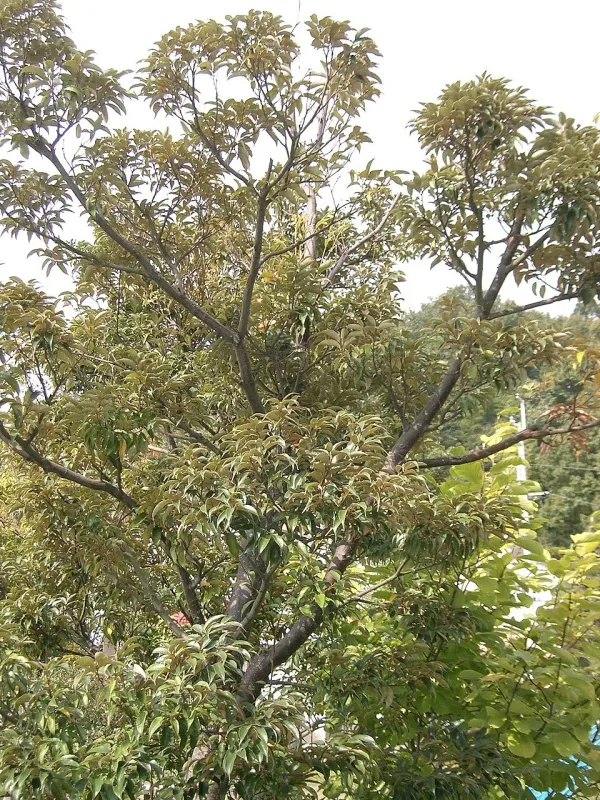
Description
Growing requirements
Castanopsis rhamnifolia is an evergreen tree belonging to the Fagaceae family. It is a robust species closely related to oaks and chestnuts, primarily found in the dense forests of Southeast Asia.
The species thrives in mountainous tropical climates where high humidity and consistent warmth are standard throughout the year. It performs best in well-drained, nutrient-rich soils with a slightly acidic profile.
Proper site selection is crucial, as the tree requires protection from strong winds that can cause physical damage to the branches and foliage. It does not tolerate waterlogging, making slope positioning ideal.
Maintenance of the growing area should involve organic mulching to regulate soil temperature and retain moisture. This practice also helps suppress competitive weeds during the early developmental stages.
The tree generally requires minimal intervention once established, but providing adequate spacing between individual trees is essential to ensure proper air circulation and sunlight access for the canopy.
Yield
The primary economic use of this culture involves the harvest of its edible nuts, which are valued for their starch content and nutritional profile. They are traditionally used in local culinary practices.
The wood of Castanopsis rhamnifolia is highly prized in the timber industry for its density and natural resistance to decay. It serves as a durable material for construction and high-quality furniture.
In terms of ecological impact, the species plays a significant role in slope stabilization and soil erosion control due to its expansive and deep root system.
Nut production begins after the tree reaches maturity, typically requiring several years of growth. Yield consistency is dependent on the management of soil health and environmental factors during the flowering period.
Future potential for this tree includes agroforestry programs aimed at sustainable timber production and soil conservation in tropical hillside regions.
Main diseases and pests
Root rot and fungal infections remain the primary threats to the tree, often triggered by excessive moisture around the root zone. Ensuring excellent drainage is the most effective preventative measure.
Weevils and other wood-boring insects can damage both the developing nuts and the structural integrity of the branches. Regular monitoring and sanitation of fallen nuts are recommended.
Competitive flora can significantly stunt the growth of young saplings. Implementing an integrated weed management strategy is vital for the first few years of tree establishment.
Mechanical damage to the bark, whether from animals or equipment, can leave the tree susceptible to secondary pathogen entry, necessitating proper wound sealing and protection.
Climate instability can lead to physiological stress, reducing the overall resistance of the tree to pests. Maintaining overall vigor through appropriate site selection is key to pest management.