
Castanopsis fargesii
Castanopsis fargesii
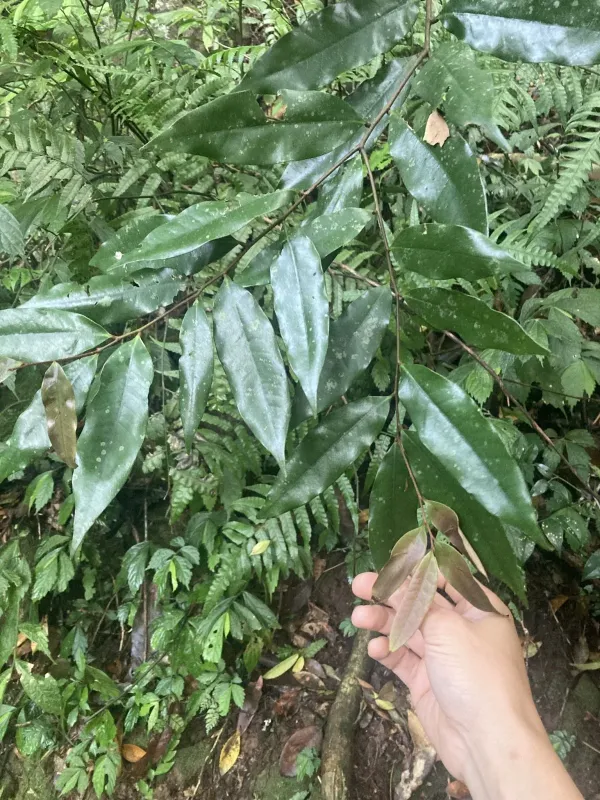
Description
Growing requirements
Castanopsis fargesii is an evergreen tree species belonging to the Fagaceae family, native to the subtropical forests of China. The tree flourishes in regions with mild temperatures and high humidity, requiring protected sites to thrive and develop its characteristic dense canopy.
For optimal growth, the species requires deep, fertile, and well-drained soils with an acidic to neutral pH. Poorly drained sites should be avoided as the root system is highly sensitive to waterlogging and subsequent anaerobic conditions which can lead to rapid decay.
In its natural habitat, the tree can be found at elevations ranging from 300 to 1,500 meters. While young trees benefit from partial shade during their establishment phase, mature specimens prefer full exposure to sunlight to maximize their growth and vigor.
Moisture retention is crucial for the early stages of development. Mulching the area around the base of the tree is a standard practice to maintain soil moisture levels and protect the shallow root zone from sudden temperature fluctuations.
Climatic requirements are specific to temperate-subtropical zones. Although the species shows some tolerance to light frost, extreme cold events can cause significant damage to young shoots and leaves, necessitating preventive measures in cooler growing regions.
Yield
The primary economic value of Castanopsis fargesii lies in its high-quality timber. Known for its hardness and durability, the wood is frequently utilized in furniture making, high-end carpentry, and structural construction projects where strength is a requirement.
The tree produces edible nuts encased in a spiny cupule, which are historically significant as a food source in various local ecosystems. While not a primary agricultural crop, the nuts provide secondary value for wildlife management and local forestry economies.
The growth rate of the tree is moderate, and sustainable timber harvesting generally occurs after several decades of growth. Proper forest management practices allow for regular thinning and ensure the quality of the remaining stand over the long term.
Environmentally, the tree contributes to soil stabilization and watershed protection, particularly on slopes where its extensive root system helps prevent erosion. Its evergreen foliage ensures continuous carbon sequestration throughout the year.
Seed harvesting is conducted in autumn, coinciding with the natural opening of the cupules. Careful collection and storage are required to ensure the seeds remain viable for reforestation efforts or nursery production purposes.
Main diseases and pests
Root rot pathogens are the most significant threat to Castanopsis fargesii, particularly in soils with poor drainage. Once established, these fungal infections are difficult to control, making proper site selection and soil management the primary methods of defense.
Insects, particularly nut weevils, pose a consistent threat to reproductive health by damaging the seeds. Integrated pest management (IPM) strategies, including the monitoring of adult weevil populations, are essential to protect the harvest and ensure regeneration.
Young seedlings are frequently targeted by rodents, which cause significant damage by gnawing on the bark. Protective guards and physical barriers are commonly employed in nursery settings to ensure the survival of young trees during the vulnerable early stages.
Defoliating insects can occasionally cause widespread damage to the canopy, leading to a loss of vigor and reduced growth rates. Biological control measures are often preferred to maintain the ecological balance within the forest or park environment.
Long-term environmental stress, such as extended drought periods, renders the trees more susceptible to secondary infections and opportunistic pests. Maintaining ecosystem health through proper cultural practices remains the best strategy for long-term survival.