
Castanopsis faberi
Castanopsis faberi
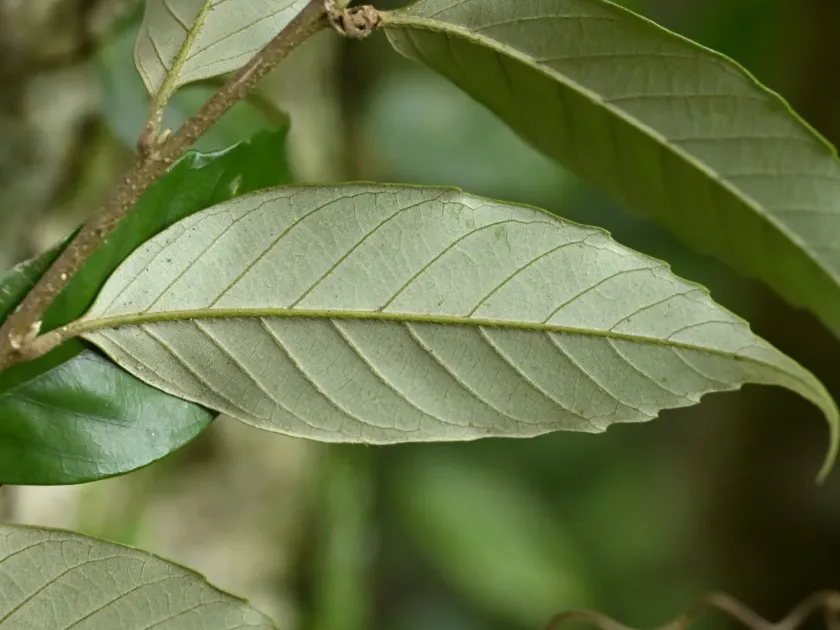
Description
Growing requirements
Castanopsis faberi is a member of the Fagaceae family, known for its status as a robust evergreen tree. It is primarily found in the subtropical regions of East Asia, where it contributes significantly to the forest canopy structure.
The crop thrives in well-drained, nutrient-rich soils with a slightly acidic to neutral pH level. Proper site selection is crucial to ensure that the root system develops correctly without exposure to waterlogging or severe soil compaction.
Climate requirements involve stable temperatures and high annual rainfall. As a subtropical species, it does not tolerate deep frost and performs best in locations that mimic its natural mountain slope or valley habitats.
Agrotechnical practices involve careful pruning to maintain tree health and canopy shape. During the initial planting phase, protecting seedlings from direct, intense midday sun and providing consistent irrigation is essential for survival.
In terms of economic utility, the tree is valued for its edible nuts, which are harvested for local markets. Furthermore, its dense wood is highly appreciated in furniture manufacturing and architectural woodcraft due to its durability and aesthetic appeal.
Main diseases and pests
The tree can be affected by various fungal pathogens, especially in high-humidity conditions where airflow within the canopy is restricted. Proper spacing between trees is recommended to promote better ventilation and reduce disease incidence.
Insect pests, particularly nut-boring beetles and caterpillars, can jeopardize fruit yields. Integrated pest management strategies, such as physical traps or biological controls, are preferred to maintain the health of the orchard and the quality of the produce.