
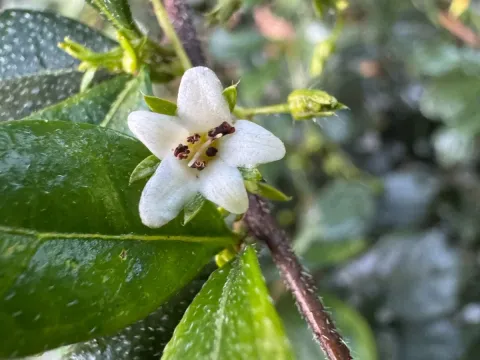
Carmona
Carmona
Carmona is a genus of flowering plants in the family Boraginaceae. Often known as the Fukien tea tree, it is highly valued for its dense, glossy foliage and its suitability for miniature tree training, commonly referred to as bonsai.
What the section contains

Carmona
The plant originates from the tropical regions of Southeast Asia. Its native habitat includes countries such as China, Japan, and the Philippines, where it thrives in moist, tropical forests with high humidity levels throughout the year.
Success in cultivating Carmona depends on mimicking its natural environment. It requires plenty of indirect sunlight. While it can tolerate some morning sun, exposure to intense noon heat should be managed to prevent leaf dehydration.
The soil structure must be excellent, ensuring quick drainage. A common mixture for commercial production includes inorganic components like akadama, pumice, or volcanic rock, combined with a small portion of organic soil matter.
Watering requirements are strict: the medium should remain consistently moist but never waterlogged. Seasonal adjustments to water frequency are necessary, as evaporation rates change based on ambient temperature and humidity.
Carmona is susceptible to a range of pests, with spider mites being the most common threat in controlled environments. These mites thrive when air circulation is poor and humidity levels are too low.
Scale insects and mealybugs also present significant risks to the health of the plant. These pests attach themselves to the stems and undersides of leaves, weakening the plant by draining essential nutrients.
Fungal pathogens, particularly root rot, are often a consequence of poor irrigation practices. Overwatering creates anaerobic conditions in the root zone, which facilitates the growth of rot-inducing fungi.
Integrated Pest Management (IPM) is essential for maintaining health. This involves regular monitoring, manual removal of pests when populations are low, and the selective use of horticultural oils or soaps.
Providing adequate spacing between individual plants in a nursery setting helps to improve air circulation. This simple agronomic practice significantly reduces the likelihood of fungal outbreaks and pest colonization.