
Carmona retusa
Carmona retusa
Description
Growing requirements
Carmona retusa, commonly known as the Fukien tea tree, is a member of the Boraginaceae family. It is a perennial evergreen shrub known for its dense branching and popularity in the art of bonsai cultivation.
Originating from the tropical regions of Asia, specifically Southern China and Southeast Asia, this plant thrives in warm and humid environments. It requires a stable climate to maintain its evergreen foliage throughout the year.
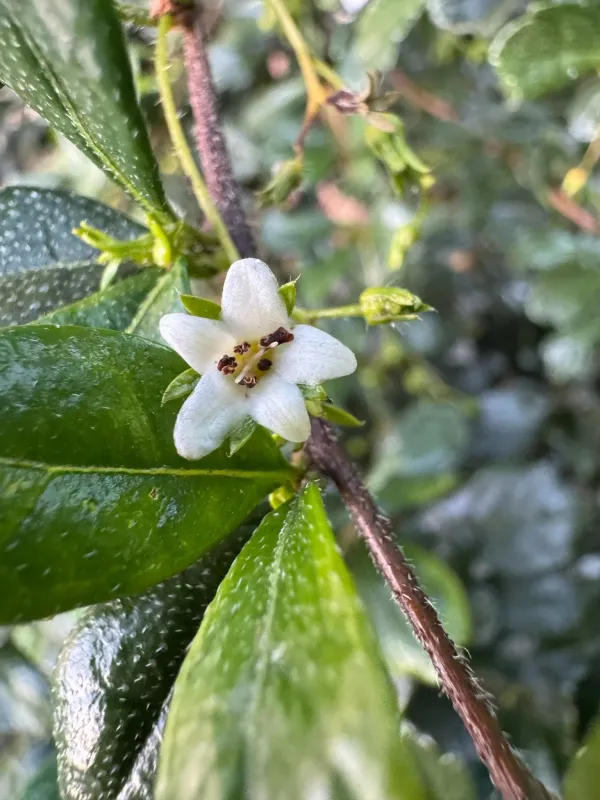
Botanically, the plant is characterized by small, dark green leaves with a glossy texture and rough surface. It produces delicate white, five-petaled flowers followed by small, round, green to red-ripening berries.
The cultural requirements demand high ambient humidity and temperatures between 18 and 24 degrees Celsius. It is highly sensitive to cold drafts and sudden changes in environmental conditions, which can lead to stress.
Soil management requires a well-draining, slightly acidic medium that retains some moisture without becoming waterlogged. The use of specialized bonsai soil mixes or a combination of peat, bark, and perlite is recommended for optimal root health.
Main diseases and pests
Spider mites are the most prevalent pest affecting Carmona retusa, especially when indoor air humidity levels are low. Regular misting and proper ventilation are essential preventative measures against these mites.
Scale insects and mealybugs can attach to the stems and leaves, causing sap depletion and promoting the growth of sooty mold. Careful inspection of the foliage is required to detect early stages of infestation.
Root rot is the most serious disease, typically triggered by improper irrigation practices. Overwatering creates anaerobic conditions in the soil, which are fatal to the plant's root system.
Leaf drop is a common stress response, often resulting from sudden changes in light exposure, temperature fluctuations, or inadequate hydration. Consistent care is vital to maintain the plant's health.
Nutritional deficiencies, indicated by yellowing leaves or stunted growth, should be addressed by applying balanced liquid fertilizers during the active growing season, following the manufacturer's dosage recommendations.