
Careya arborea
Careya arborea
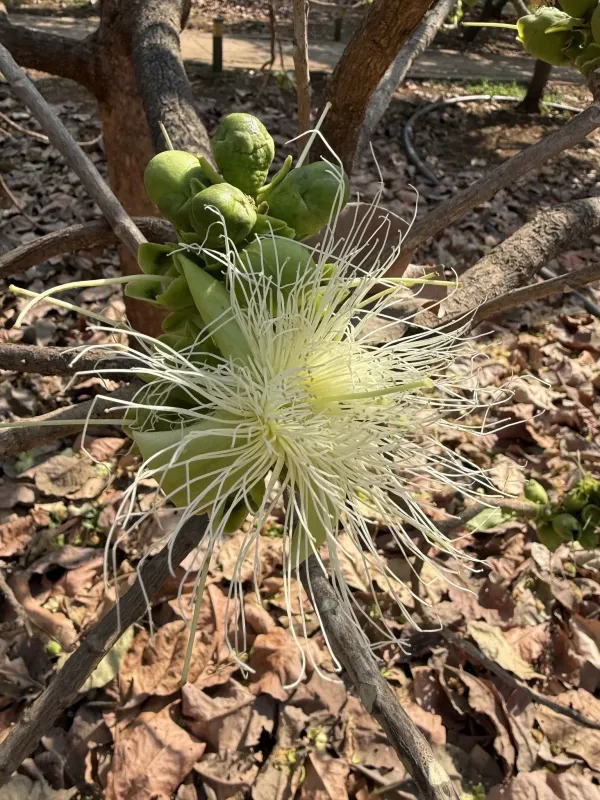
Description
Growing requirements
Careya arborea, commonly known as the Patana oak or slow match tree, is a prominent member of the Lecythidaceae family. This medium-sized deciduous tree is well-regarded for its robust structure and thick, rugged bark.
The native range of this species extends across India, Southeast Asia, and parts of the Himalayas. It thrives in diverse environments, ranging from moist deciduous forests to dry grassy plains.
Regarding soil requirements, it prefers well-drained loam or alluvial soils. It shows remarkable tolerance to a variety of pH levels, making it a versatile species for forestry and agroforestry projects.
Climatic requirements are centered around the tropical monsoon cycle. While it handles drought well once established, young saplings need regular irrigation during the dry season to ensure optimal growth.
Economically, the tree is highly valued for its durable timber, which is resistant to fungal decay. Additionally, various parts of the tree are harvested for traditional pharmaceutical applications and fiber production.
Main diseases and pests
The primary threats to Careya arborea populations include fungal infections caused by excessive soil moisture. Root rot is a common issue in poorly managed, waterlogged plantation areas.
Insect pests such as termites and leaf-eating beetles pose a persistent threat to young and vulnerable trees. Preventive measures, such as soil treatment, are essential during the establishment phase.
Over-harvesting of the bark for traditional medicine can also weaken the tree, leaving it susceptible to environmental stresses. Sustainable management practices are recommended to preserve the population.
Another threat arises from invasive climbing plants that can shade out the crown. Regular pruning and maintenance are necessary to ensure the tree maintains its health and growth rate.
Effective monitoring for signs of infestation is crucial. Integrated pest management, focusing on early detection and biological control, remains the gold standard for long-term tree health.