
Wahlenberg's Sedge
Carex wahlenbergiana
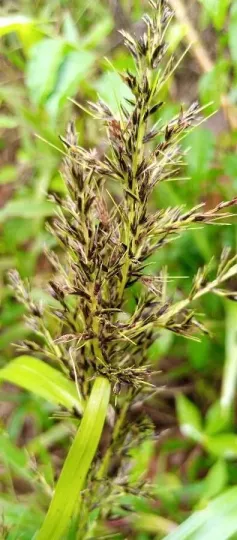
Description
Growing requirements
Wahlenberg's Sedge (Carex wahlenbergiana) is a perennial herbaceous plant belonging to the Cyperaceae family. It is typically found in temperate regions, thriving in wetlands, meadows, and forest margins where moisture levels remain consistently high throughout the growing season.
This crop requires specific soil conditions to reach its full potential. It prefers moisture-retentive, organic-rich soils with a slightly acidic to neutral pH. While it is tolerant of temporary waterlogging, it performs best on well-drained but naturally moist landscapes.
Regarding climate, the plant exhibits excellent hardiness, making it suitable for cooler climates where heat-sensitive forage crops might struggle. It requires sufficient sunlight to maintain vegetative vigor, although it can tolerate partial shading in woodland-edge environments.
Botanically, it is characterized by triangular stems and narrow, elongated leaves that form dense clumps or tussocks. The root system is fibrous and aggressive, which provides the plant with excellent stability and the ability to reclaim degraded or eroded soil patches.
In agricultural practice, this sedge is valued for its hardiness as a forage component in marshy areas and as a tool for land stabilization. It is increasingly recognized for its role in sustainable pasture management and ecological restoration projects in rural settings.
Main diseases and pests
The crop is prone to various fungal pathogens, specifically rusts and smuts, which can affect foliage quality and yield. These diseases are more prevalent in seasons characterized by high humidity and prolonged rainfall, necessitating careful monitoring of canopy health.
Pest management focuses primarily on soil-dwelling larvae that compromise root integrity and leaf-eating insects. Maintaining soil nutrient balance through targeted fertilization and preventing dense, stagnant air conditions within the field canopy are effective strategies for long-term health.