
Uruguayan sedge
Carex uruguensis
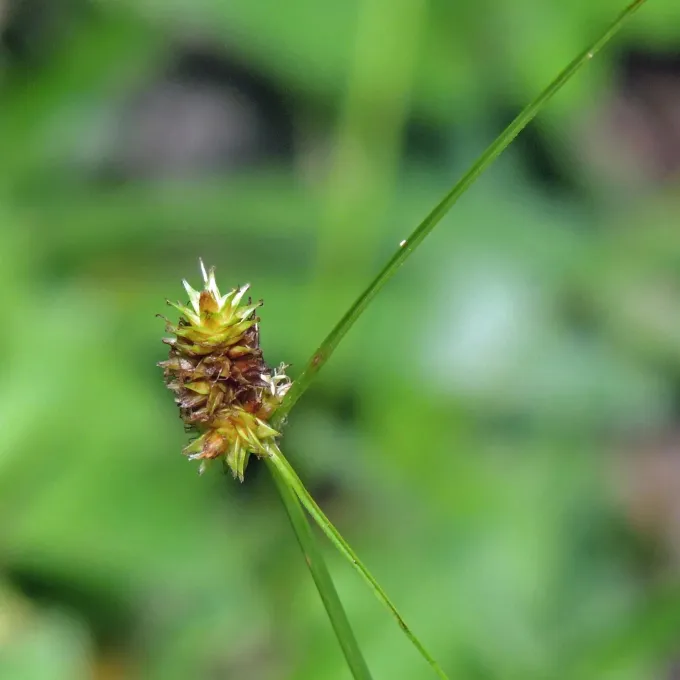
Description
Growing requirements
Uruguayan sedge (Carex uruguensis) is a perennial grass-like plant from the Cyperaceae family. Originating from South America, specifically Uruguay and neighboring regions, this species is well-adapted to habitats with consistent moisture and moderate temperate climates.
The plant thrives in full sun to partial shade conditions. It is highly valued for its adaptability to wet areas, making it an excellent candidate for rain gardens, pond edges, or swales where the soil remains consistently moist throughout the growing season.
Soil preferences include fertile, loamy, or sandy substrates that maintain moisture but do not allow for extreme waterlogging. While it tolerates a wide range of pH levels, it performs best in neutral to slightly acidic soils enriched with organic matter.
Cultural practices are relatively straightforward, focusing on regular irrigation and seasonal maintenance. During the early spring, it is recommended to prune old foliage to encourage vigorous new growth and maintain the aesthetic appeal of the plant cluster.
Economically and aesthetically, Carex uruguensis serves a vital role in ecological landscaping. Its dense root system helps stabilize soil on riverbanks and pond slopes, while its elegant, grass-like texture provides a soft visual contrast in contemporary garden designs.
Main diseases and pests
Common health issues in Uruguayan sedge include fungal infections, particularly leaf spot or root rot, if the plant is grown in overly stagnant or poorly drained conditions. Proper site selection and spacing are critical to ensuring sufficient air circulation.
In terms of pests, the plant is susceptible to aphids and mite infestations during periods of prolonged heat or drought. Implementing an integrated pest management strategy, including monitoring and biological control, helps keep the population of these pests at bay.