
Carex rhizopoda
Carex rhizopoda
Description
Growing requirements
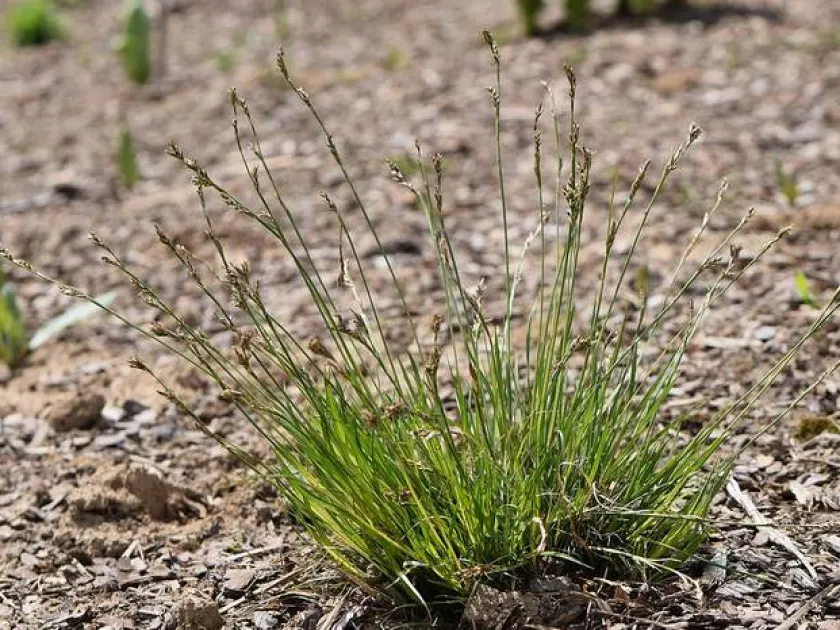
Carex rhizopoda is a perennial herbaceous plant belonging to the Cyperaceae family. It is characterized by its rhizomatous growth pattern, which allows the plant to form dense sod and effectively bind soil in moist environments. Its botanical structure is adapted to water-rich habitats.
The native distribution of this species spans across East Asia, including parts of China and Russia's Far East. It is typically found in lowland areas, river valleys, and marshes where the soil remains consistently moist. These locations provide the necessary ecological niche for the plant to thrive.
Morphologically, Carex rhizopoda features tough, linear leaves and a sturdy root system. This structural adaptation allows it to withstand environmental stress, including fluctuations in water levels, making it a reliable species for ecological restoration projects or erosion control in agricultural buffer zones.
Regarding climate and soil, the plant prefers temperate conditions with reliable precipitation. It thrives in loamy or peaty soils with a slightly acidic to neutral pH level. Proper site selection is essential, as the species does not tolerate long-term drought conditions which inhibit its rhizomatous development.
In terms of agricultural use, this sedge is primarily valued for land improvement and conservation rather than high-density fodder production. It can be integrated into pasture systems with caution, provided it is managed through appropriate grazing rotation to maintain the quality of the biomass produced.
Main diseases and pests
The primary threats to the health of Carex rhizopoda are fungal infections such as leaf rust and various blights. These diseases are exacerbated by poor site drainage, high humidity, and lack of air circulation within dense stands of the plant, leading to significant foliage degradation.
Pests such as aphids and specialized leaf-eating insects pose a secondary risk. By attacking the young, succulent parts of the plant during the early growth stages, these insects can cause reduced vigor and make the plant more susceptible to secondary pathogenic infections.
Effective management strategies include maintaining optimal plant density through regular mowing or controlled grazing. These practices not only prevent the accumulation of diseased organic matter but also promote the growth of fresh, resistant foliage during the active growing season.
Biological controls are often the preferred method for managing pest populations in areas where Carex rhizopoda is used for environmental protection. Avoiding the use of harsh chemical pesticides helps maintain the local ecosystem health and prevents potential runoff into water systems.
Long-term field maintenance should also focus on managing soil moisture levels. Ensuring that the soil does not become stagnant allows for better oxygenation of the rhizomes, which in turn reinforces the plant's natural immune response against potential threats and ensures sustainable growth.