
Alpine sedge
Carex randalpina
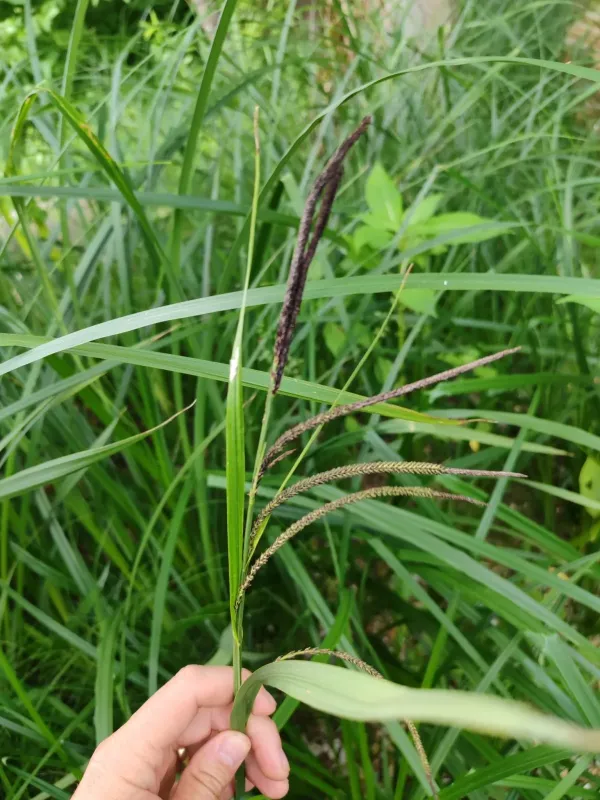
Description
Sowing dates
Alpine sedge (Carex randalpina) belongs to the Cyperaceae family and is a perennial herbaceous plant. In its natural habitat, propagation occurs through seeds dispersed during late summer and early autumn.
For cultivation purposes, direct sowing is recommended in late autumn. Seeds require a period of cold stratification to overcome dormancy, making winter sowing the most reliable method for achieving high germination rates.
Proper field preparation is essential. The soil must be cleared of perennial weeds, as the sedge grows slowly during its establishment phase and can be easily outcompeted by more aggressive vegetation.
Seeds should be sown in rows with a spacing of 15–20 cm. Planting depth should be minimal, around 0.5–1 cm, to ensure the seeds have enough light to trigger germination while remaining in contact with moisture.
Vegetative propagation via clump division is a practical alternative for small-scale plantings. This process should be carried out in early spring, just as the new growth begins to emerge from the base of the plant.
Growing requirements
This species is highly dependent on moisture. Alpine sedge thrives in wet conditions, such as near riverbanks, ponds, and marshy areas, where the water table is relatively close to the surface.
The ideal soil type for this plant is a fertile loam or a peat-based soil with a neutral to slightly acidic pH. The plant does not tolerate prolonged drought, which often leads to poor development and plant mortality.
As the name suggests, the species is well-adapted to alpine and temperate climates. It exhibits significant cold tolerance, making it resilient during harsh winter months and capable of surviving low temperatures.
Light exposure is another critical factor. While it can survive in partial shade, the plant reaches its maximum potential for biomass production when exposed to full sun, which promotes dense, healthy growth.
Nutrient requirements include balanced mineral fertilization, particularly early in the season. Nitrogen-rich applications are beneficial for promoting rapid leaf development and increasing the overall forage quality.
Main diseases and pests
The primary threats to Alpine sedge include fungal diseases, particularly rusts and mildews, which flourish in stagnant, humid environments. Maintaining good air circulation is key to preventing these infections.
Various larvae and insects can cause damage by feeding on the leaves or the base of the stems. Early identification through regular field inspections is necessary to manage pest populations effectively.
Environmental stress, such as extreme heat combined with soil moisture deficits, weakens the plant’s defenses, making it significantly more susceptible to pathogen attacks and secondary infestations.
Competition from weeds is the most significant hurdle during the first two years of growth. Strict weed management using mechanical or selective cultural methods is mandatory for a successful stand.
To reduce disease incidence, it is recommended to avoid overcrowding of plants and ensure that drainage is adequate to prevent long-term waterlogging, which can lead to root rot.
Harvesting
When used for forage, the Alpine sedge should be harvested during the flowering phase. This timing ensures an optimal balance between total biomass volume and the nutritional value of the foliage.
Mechanical harvesting should leave a stubble of at least 5–7 cm above the ground. This height is critical to preserve the plant’s meristematic tissue and allow for vigorous regrowth.
Once mown, the material must be dried efficiently to produce high-quality hay. Turning the forage in the swaths is recommended to ensure uniform drying and prevent the development of mold.
In landscaping or environmental restoration projects, the "harvest" consists of periodic grooming or clearing of dead foliage in the early spring, which encourages fresh green growth for the coming season.
With proper management and adequate irrigation, the crop can support multiple harvests per season. The frequency depends largely on regional climate conditions and the fertility levels of the soil.