
Flea sedge
Carex pulicaris
Description
Growing requirements
Flea sedge (Carex pulicaris) is a perennial herbaceous plant belonging to the Cyperaceae family. It is widely distributed across European wetlands, damp meadows, and marshy habitats, thriving in temperate climates.
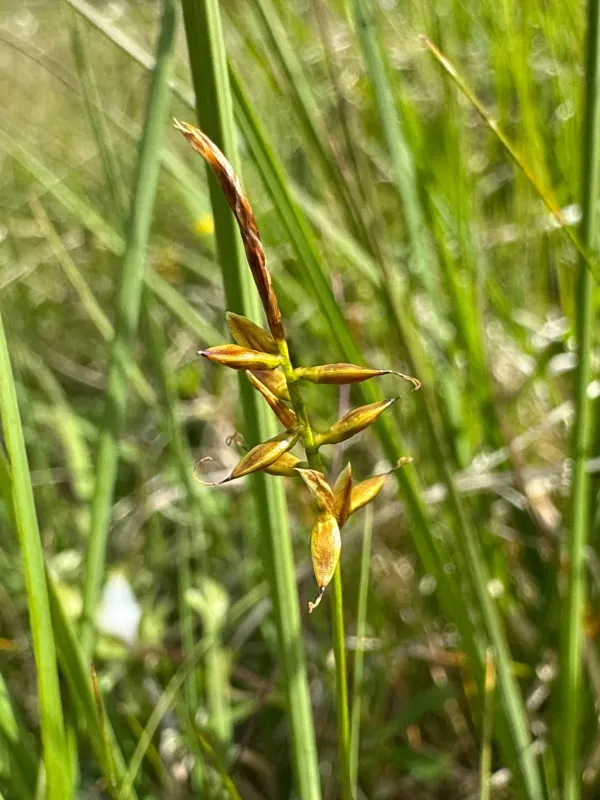
Botanically, the plant is recognized by its slender, stiff stems and a solitary spikelet that curves upon maturity. This unique shape resembles a flea, which serves as the origin for both its scientific and common name.
The plant demands specific soil conditions, preferring acidic to neutral substrates that remain consistently moist or waterlogged throughout the year. It does not tolerate prolonged dryness or drought, which leads to rapid desiccation of the plant tissue.
Agrotechnical management is rarely required, as the species is typically managed in its natural habitat. However, in ornamental gardening, it is essential to ensure constant water supply and placement in full sun to partial shade for optimal growth.
Its primary agricultural and economic use is in environmental restoration projects and landscaping. It is highly valued for stabilizing soil in riparian zones, although it is not considered a viable forage or cereal crop due to its low biomass and structure.
Main diseases and pests
Flea sedge is susceptible to various fungal pathogens, particularly in stagnant water environments. Rust and smut are common diseases that can affect the foliage and the reproductive organs, especially during humid summers.
Pests such as root-boring insects may pose a localized threat to the root system. While not a major issue in wild populations, in nursery settings, these pests can lead to significant stunting of the plant growth.
Competition from more aggressive aquatic or marsh plants can displace Carex pulicaris if the habitat conditions are altered by changes in water levels. This often leads to the decline of the population density in a given area.
Maintaining biological diversity and appropriate water levels is the best defense against threats. Healthy plants in stable ecosystems are generally resistant to major infestations and do not require chemical intervention.
Monitoring for visual signs of distress, such as necrosis on the leaf tips or stunted spikelets, is recommended. Proper maintenance involves clearing debris that could serve as a host for potential pathogens during the dormant season.