
Carex praegracilis
Carex praegracilis
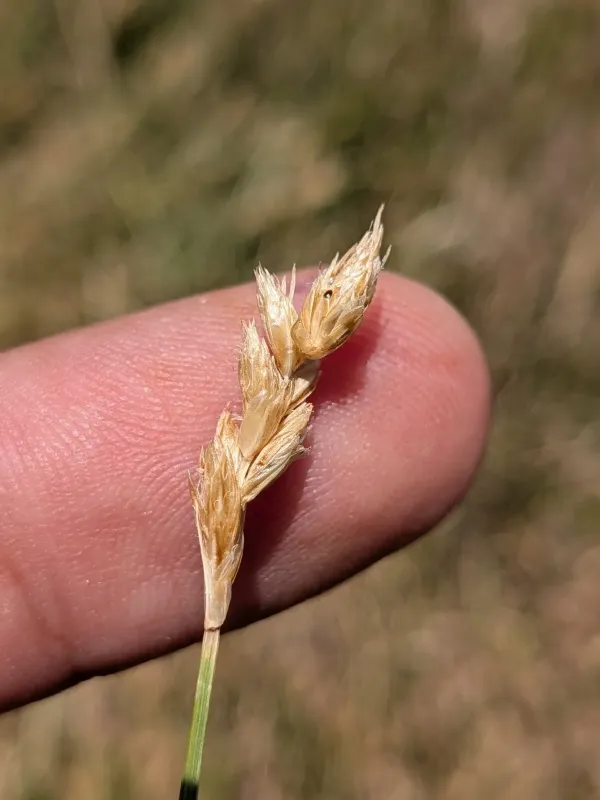
Description
Growing requirements
Carex praegracilis, commonly known as field sedge, is a perennial plant belonging to the Cyperaceae family. It is increasingly utilized in professional landscaping due to its structural durability.
Originating in North America, this species has adapted to a wide range of climates, demonstrating excellent performance in diverse moisture and soil conditions.
The plant thrives best in well-draining soil but possesses significant physiological resilience to both periodic drought and temporary inundation after establishing its root system.
From an agronomical perspective, Carex praegracilis prefers full sun exposure to maintain its desired density, although it maintains acceptable vigor in partial shade conditions.
Botanically, it is characterized by an extensive rhizomatous root system, which enables it to spread effectively and create a robust, erosion-resistant vegetative cover.
Main diseases and pests
While Carex praegracilis is generally considered highly resistant to common pests, certain environmental stressors can invite opportunistic diseases.
Excessive humidity combined with poor soil aeration is the primary cause of fungal infections, such as leaf spot or various forms of root rot in poorly maintained stands.
Common landscape pests, such as white grubs or other soil-dwelling larvae, may occasionally affect the root structure if the plant is subjected to severe mechanical stress.
Effective management includes regular monitoring and ensuring that the soil drainage is optimized, which remains the best preventative measure against most pathogens.
Application of fungicides or insecticides should only be performed as a last resort, following standard agricultural guidelines to maintain the health of the surrounding ecosystem.