
Oval sedge
Carex leporina
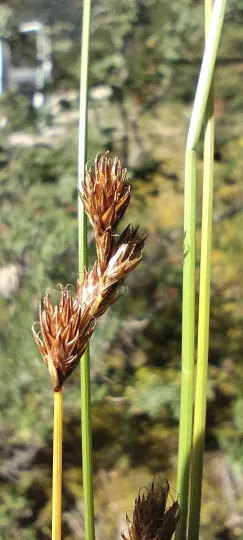
Description
Sowing dates
Oval sedge is a perennial herbaceous plant belonging to the Cyperaceae family. In agricultural systems, it is often utilized as a robust component of wetland pastures and natural meadow ecosystems.
Reproduction typically occurs through seeds, which ripen in mid-summer. The seeds exhibit high viability when deposited into moist, light-exposed soil, which is characteristic of its natural habitat.
For establishing cultivated stands, sowing is best performed during autumn or early spring. Surface sowing is recommended, as the seeds require sufficient light exposure to initiate the germination process successfully.
This species is highly competitive, capable of rapid colonization of open moist areas. Proper management of seeding density is essential to ensure that it integrates well with other meadow plant species without becoming overly invasive.
Oval sedge displays excellent regrowth vigor after mechanical harvesting or moderate grazing, making it a reliable perennial plant for sustainable pasture management in wet environments.
Growing requirements
The plant thrives in wet and marshy soils, demonstrating remarkable plasticity in its moisture requirements. It can withstand temporary dry spells, making it adaptable to fluctuating water tables.
Oval sedge is a heliophilous species, meaning it prefers open, sunny locations. Shaded areas significantly limit its development, leading to a thinner stand and reduced biomass production per hectare.
This species is highly cold-tolerant, allowing it to thrive in temperate and northern climates. It maintains its structural integrity through harsh winters and shows high resilience against spring frosts.
The plant performs well in a variety of soil conditions, including acidic peat and nutrient-poor loamy soils. It has a high tolerance for varying pH levels, typically ranging from 4.5 to 6.5.
Minimal fertilization is generally required for Oval sedge to establish successfully. Its natural root system is highly efficient at extracting necessary minerals, even in sites where conventional grasses struggle to survive.
Yield
The yield of Oval sedge biomass is primarily influenced by seasonal precipitation and site hydration. Under optimal moisture levels, a single harvest can yield approximately 1.5–2.0 tons of dry hay per hectare.
Nutritional quality is highest during the early flowering phase. As the plant matures and heads to seed, the lignin content in the stems increases, which can slightly reduce palatability for livestock.
The chemical profile of the plant includes essential trace elements necessary for ruminant metabolism. It serves as a valuable forage component, especially when blended with other grass species in mixed hay.
Oval sedge is well-suited for controlled grazing due to its strong root system. Rotational grazing practices are recommended to maintain the long-term health and productivity of the meadow.
While nitrogen applications can enhance biomass output, it is important to follow strict environmental guidelines to maintain forage quality and prevent nitrogen accumulation in the tissues.
Main diseases and pests
Oval sedge is generally resistant to the common pathogens that affect staple field crops. It exhibits high natural immunity, though excessive humidity can occasionally lead to minor fungal issues.
Pest pressure on this species is typically low. While certain insect larvae may occasionally inhabit the inflorescences, they rarely reach levels that require significant chemical intervention.
- Rust fungi during periods of prolonged high humidity.
- Mildew issues if the stand is extremely dense and poorly ventilated.
- Infestations by specific stalk-boring insects during extreme seasons.
Chemical control measures are rarely needed for this crop. Agronomic management, such as timely mowing and proper meadow drainage, remains the most effective defense strategy against potential threats.
Prophylaxis involves maintaining an open stand and removing excessive dead organic matter, which minimizes the microclimatic conditions that pathogens prefer for development.
Harvesting
The ideal harvest window for Oval sedge occurs at the onset of flowering. This timing captures the best balance between total dry matter volume and digestible nutrients.
Due to the dense structure of the leaves, cut biomass requires extended drying time compared to traditional meadow grasses. Effective swath turning is necessary to ensure consistent moisture loss.
Mechanical harvesting with standard sickle bar or rotary mowers is efficient. Modern equipment allows for clean cuts that do not damage the plant's underlying rhizomatous structure, ensuring future growth.
Seed harvesting should be targeted when the inflorescences turn a deep brown. Early collection is critical, as mature seeds are prone to shattering and dispersal if left too long in the field.
Proper hay storage is essential. The material must be kept in a dry, well-ventilated barn to prevent the growth of storage molds, which would render the forage unsafe for animal consumption.