
Carex kitaibeliana
Carex kitaibeliana
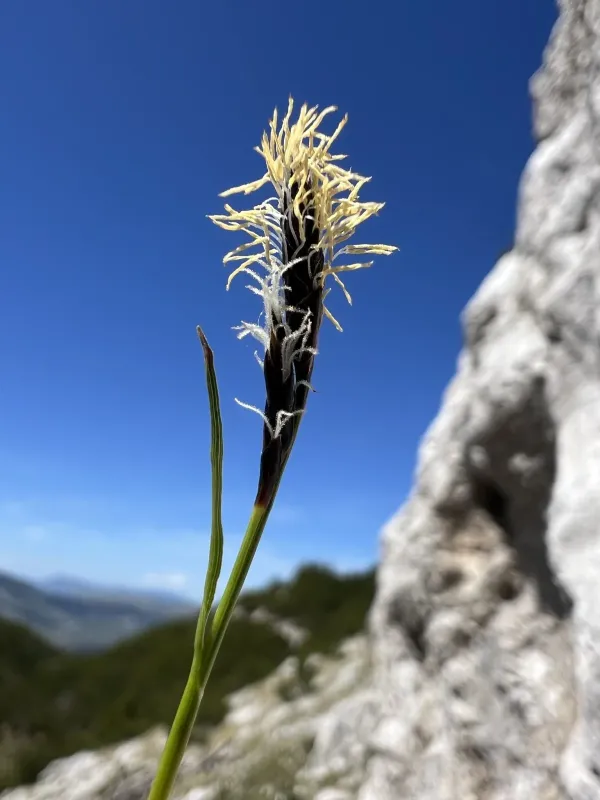
Description
Growing requirements
Carex kitaibeliana is a perennial herbaceous plant belonging to the Cyperaceae family. Originating from the mountainous regions of Southeastern Europe, this species is well-adapted to cool, alpine-like environments, making it a robust candidate for temperate climatic zones.
Regarding cultivation requirements, the plant thrives in well-drained, nutrient-rich soils with a slightly acidic to neutral pH level. It shows high resilience to harsh weather conditions, including winter frosts and varying levels of humidity, provided that the soil structure prevents waterlogging.
In terms of agrotechnology, planting should be done in areas that mimic its natural mountain habitat, preferably on slopes or well-drained garden beds. Proper spacing is essential to ensure adequate air circulation, which prevents the development of fungal pathogens and promotes uniform growth across the planting site.
Botanically, this species is characterized by its tufted growth habit and stiff, slender foliage. Its ability to create dense vegetative mats makes it an excellent choice for stabilizing soil, thereby playing a critical role in preventing surface erosion in both wild and cultivated landscapes.
The primary economic and horticultural utility of Carex kitaibeliana lies in its aesthetic appeal and ecological function. It is widely used in rock gardens, sustainable landscaping projects, and for rehabilitating soil in disturbed mountainous areas, offering both beauty and structural soil integrity.
Main diseases and pests
Typical threats include leaf spot diseases and rust fungi, which are often triggered by high humidity levels combined with poor ventilation within the foliage. Ensuring proper site drainage and avoiding overcrowding are the primary cultural practices to prevent these infections.
Insect pests are generally limited, but potential outbreaks of aphids or leaf-feeding larvae may occur. A proactive approach involving regular inspections and, when necessary, targeted application of organic treatments helps maintain the plant's health and vigorous appearance throughout the growing season.