
Carex hochstetteriana
Carex hochstetteriana
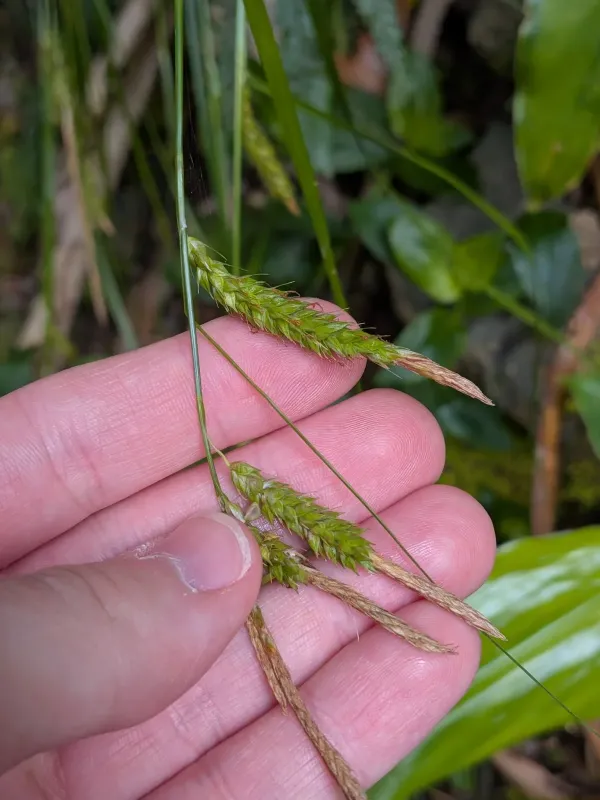
Description
Sowing dates
Carex hochstetteriana is a perennial herbaceous plant belonging to the Cyperaceae family. Originating from the highland regions of tropical Africa, this species has evolved to thrive in specific climatic niches, making it a subject of interest for local agricultural development.
In agricultural practice, this sedge is primarily used as a vital component of natural pastures and forage systems. It propagates both vegetatively through an extensive root system and sexually through seeds, which typically germinate following the onset of seasonal rainfall.
Sowing should be scheduled to coincide with the beginning of the wet season. Providing the seeds with immediate access to moisture and moderate temperatures is essential for high germination rates and the rapid establishment of the root architecture required for long-term survival.
When preparing the seedbed, it is critical to minimize competition from weed species. Since the seeds of sedges are often small, surface sowing or shallow placement is recommended to ensure the seedlings receive the necessary light and soil contact for successful emergence.
The planting density should be optimized based on the desired use, such as erosion control or forage production. Establishing a dense stand early in the season helps stabilize the soil structure and creates a robust meadow capable of supporting sustainable grazing practices.
Growing requirements
This species requires a temperate highland climate characterized by consistent humidity and moderate temperatures. Ideally, it thrives in environments where temperatures range between +12°C and +22°C, which mirrors its native habitat in high-altitude tropical mountain ranges.
The soil requirements for Carex hochstetteriana include well-drained yet moisture-retentive substrates. The plant shows a preference for slightly acidic soils, which are commonly found in its native ecosystems and are enriched with organic matter from decomposing plant material.
Light exposure is a significant factor in the plant's metabolic activity. While it possesses a degree of tolerance for shaded areas, maximizing exposure to sunlight in open fields facilitates efficient photosynthesis, leading to higher yields of nutrient-dense forage biomass.
Stable water availability is critical for the plant's vegetative growth phases. Although it is not categorized as a fully aquatic plant, its physiological structure is highly adapted to moist environments, and it requires consistent hydration to avoid stress-related growth retardation.
Fertilization regimes should focus on providing adequate phosphorus and potassium to support the development of a strong root system. While not strictly demanding in terms of soil fertility, the addition of compost or organic fertilizers significantly boosts the overall productivity of the sward.
Yield
The yield of Carex hochstetteriana is primarily evaluated by the biomass produced for livestock forage. In optimal conditions, regular harvests or controlled grazing cycles allow for the sustained production of high-quality green matter throughout the growing season.
Yield potential is directly influenced by the frequency of harvest. Strategic cutting or grazing management ensures that the plant retains enough photosynthetic surface area to regenerate quickly, thereby maximizing total seasonal production without depleting the root reserves.
The nutritional profile of the forage is relatively high for sedge species, provided it is harvested before the development of overly fibrous stalks. Proper timing of the harvest is the most critical factor in balancing biomass volume with the digestibility and protein content of the fodder.
Long-term yield stability is achieved through proper field maintenance. By preventing soil compaction and ensuring that the pasture is not overgrazed, farmers can maintain high yield levels over several years, as the species is a hardy perennial with strong regenerative capabilities.
Secondary products include the use of the harvested biomass for mulching or erosion control structures in agricultural landscapes. This multi-purpose utility enhances the economic value of the crop beyond its immediate use as livestock feed.
Main diseases and pests
Fungal pathogens represent the most significant threat, particularly in conditions where air circulation is poor or humidity levels remain excessively high. Leaf spot diseases are common, and they can significantly compromise both the aesthetic and nutritional quality of the forage.
Insect pests, including various larvae that target the stems or crowns of the plant, can impede growth. Integrated pest management strategies, such as biological controls and proper site rotation, are essential for maintaining healthy stands without the excessive use of chemicals.
Competition from invasive grasses can be devastating if the stand is not properly managed. Because Carex hochstetteriana is a specialized sedge, it may be outcompeted by more aggressive species if the soil environment is altered or if management practices favor fast-growing annual weeds.
Root rot becomes a major concern if the soil drainage is compromised or if there is chronic waterlogging. Improving soil aeration through mechanical intervention is often the most effective way to prevent the onset of these diseases and support the plant's natural immune system.
Overgrazing is a major biotic threat that leads to the thinning of the stand and soil degradation. Implementing resting periods for the pastures allows the plants to replenish their internal energy stores, which is necessary for overcoming seasonal stress and pressure from local pests.