
Hartman's sedge
Carex hartmanii
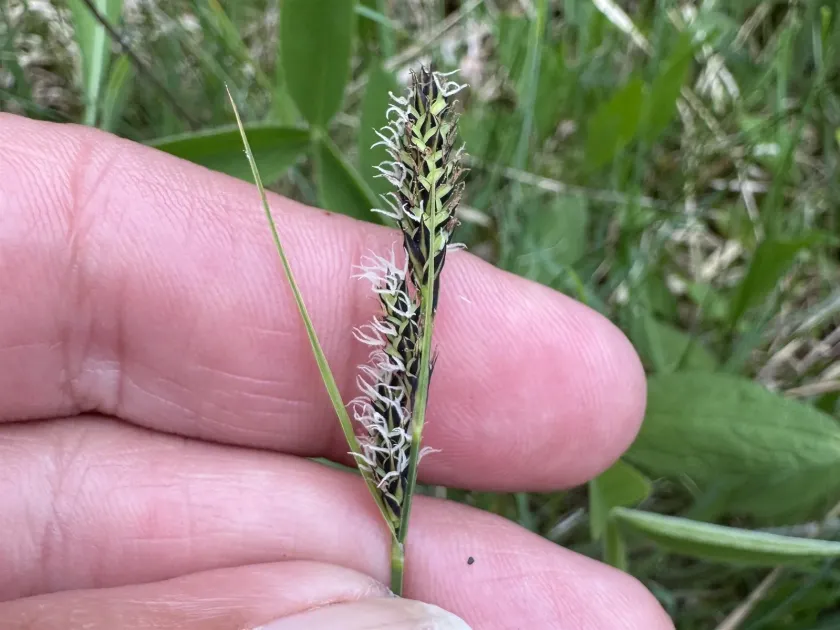
Description
Growing requirements
Hartman's sedge (Carex hartmanii) is a perennial herbaceous plant belonging to the Cyperaceae family. It is typically found in wetlands, floodplains, and damp meadow ecosystems throughout its natural range in Europe.
The plant exhibits a strong preference for moist to waterlogged soil conditions. It thrives best in nutrient-rich loamy or peaty soils where consistent moisture levels can be maintained throughout the growing season.
In terms of climate requirements, this sedge is highly adaptable to cold-temperate zones. It is capable of withstanding winter temperatures effectively, making it a reliable species for restoration and forage projects in northern regions.
Cultivation requires careful management of site hydrology. While it is a hydrophyte, proper soil aeration is necessary to prevent root rot and to encourage vigorous vegetative growth during the peak spring season.
Successful establishment depends on choosing a site with moderate light exposure, as the plant can handle full sun but also benefits from partial shade in warmer southern parts of its range to avoid heat stress.
Yield
Hartman's sedge is utilized as a supplemental forage crop in regions where intensive agriculture is limited by excess moisture. Its ability to produce biomass in challenging wet conditions is its primary agricultural value.
The nutritional quality of the hay depends heavily on the timing of the harvest. Cutting should occur before the plants reach the flowering stage to ensure the highest protein content and digestibility for livestock.
Beyond forage, the species is widely used for ecological engineering, particularly for bank stabilization and erosion control. Its extensive rhizome system provides excellent structural integrity for the soil on riverbanks.
The biomass productivity is relatively stable across varying seasonal conditions, provided that the water table does not drop significantly. It acts as an effective carbon sink in marshy areas, contributing to soil health.
For optimal results, harvesting should be performed annually to prevent the accumulation of dead plant litter, which can hinder the growth of young, highly nutritious shoots in subsequent years.
Main diseases and pests
The species is naturally resilient to many common agricultural pathogens due to its specialized habitat. It rarely suffers from the severe fungal infections that often impact cereal crops in traditional fields.
Fungal rusts represent the most likely threat, specifically during humid summers when air circulation within the stand is reduced. Maintaining an appropriate planting density can mitigate the risk of infection.
In terms of insect pests, generalist herbivores may occasionally feed on the foliage. However, populations rarely reach levels that require chemical intervention, as the plant's robust nature allows it to recover quickly.
Competition from more aggressive invasive species is a significant threat to established stands. Monitoring and mechanical removal are often necessary to maintain the dominance of Carex hartmanii in the field.
Regular monitoring for signs of stress, such as yellowing or stunted growth, is recommended during the summer months to ensure the long-term sustainability of the population and consistent annual yield.