
Haller's sedge
Carex halleriana
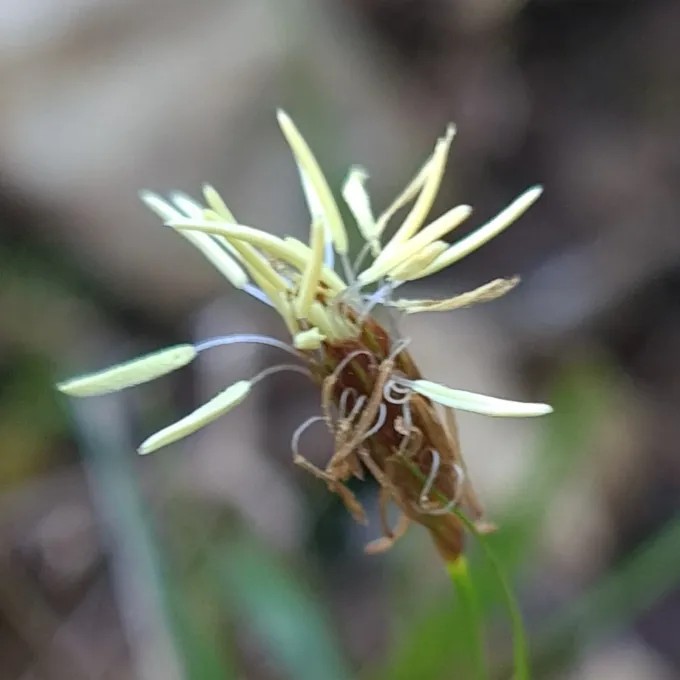
Description
Growing requirements
Haller's sedge (Carex halleriana) is a perennial herbaceous species belonging to the Cyperaceae family. It is natively found across Southern and Central Europe, as well as the Mediterranean basin, often inhabiting rocky or calcareous terrain.
This species is highly valued in horticulture for its resilience and compact growth habit. It thrives in well-drained, sandy, or stony soils and is notably tolerant of alkaline conditions, which makes it an excellent choice for specialized garden environments.
Regarding climate, Haller's sedge prefers open, sunny locations, though it exhibits significant adaptability to light shade. It is a drought-tolerant plant once established, thanks to its deep root system that can access moisture in drier soil profiles.
Botany-wise, the plant forms dense, tufted clumps of narrow leaves, providing a tidy appearance throughout the growing season. Its architectural structure is frequently utilized in modern landscaping to create stable ground covers that suppress weed invasion.
The cultivation of Carex halleriana is straightforward, requiring little intervention once the plants are settled. It is particularly suitable for xeriscaping or rocky slopes where more moisture-dependent species would struggle to survive.
Main diseases and pests
Haller's sedge is remarkably resistant to typical agricultural pests and pathogens. Its natural hardiness makes it a low-maintenance choice for professional landscape design and sustainable gardening projects.
The most significant threat to the health of this species is poor soil drainage. Waterlogging can lead to root system decay, which is the primary factor limiting its growth in overly damp or heavy clay soils.
Fungal infections can occasionally develop if air circulation is severely restricted. Ensuring that the plants have adequate spacing prevents the build-up of excess humidity around the base, effectively neutralizing the risk of mold or mildew.
Insect pests such as aphids are rarely observed on established stands. If they do occur, they usually indicate that the plant is undergoing severe environmental stress, such as extreme heat or nutritional deficiency in the soil.
Maintenance to avoid threats is simple: perform an annual grooming to remove dead foliage in the early spring. This practice eliminates potential overwintering sites for insects and enhances the overall vigor of the plant during the new season.