
Hachijo sedge
Carex hachijoensis
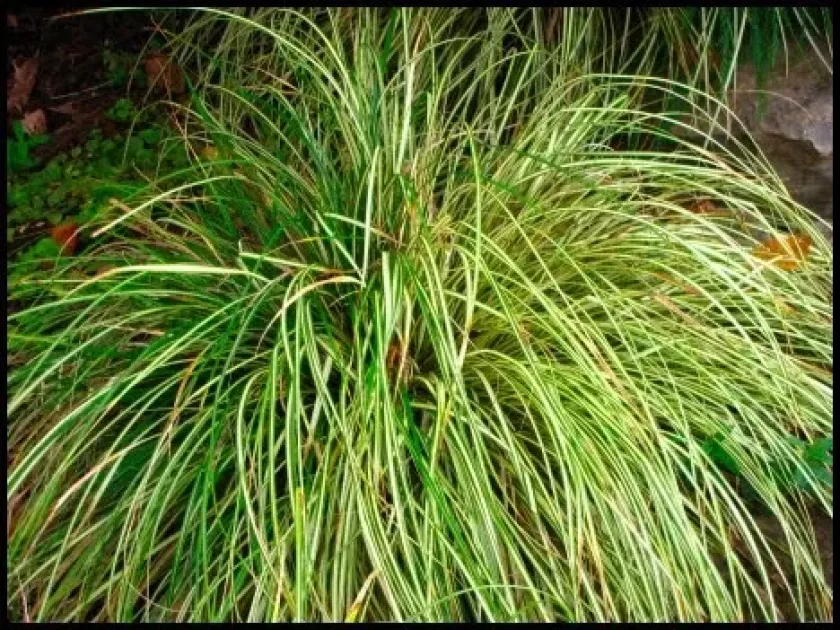
Description
Growing requirements
Hachijo sedge (Carex hachijoensis) is a distinctive perennial plant belonging to the Cyperaceae family. It is native to the Hachijo Island of Japan, where it thrives in coastal and temperate environmental conditions.
Botanically, this species is defined by its cascading, arching foliage that forms dense, fountain-like clumps. The leaves are typically evergreen in mild climates, providing year-round visual interest in the landscape.
The cultivation of Carex hachijoensis requires well-drained, nutrient-rich soil. It is essential to maintain consistent moisture levels, as the plant is not drought-tolerant and can suffer if the root zone dries out completely for an extended period.
This grass prefers partial shade or dappled sunlight. While it can adapt to various light conditions, excessive heat and direct afternoon sun in summer can cause leaf scorch, thus compromising the aesthetic appeal of the plant.
Cultural practices include spring grooming, which involves trimming away dead foliage to encourage new growth. Minimal fertilization with balanced, organic-based nutrients is sufficient to maintain plant health throughout the growing season.
Main diseases and pests
Hachijo sedge is relatively resistant to major agricultural pests, but it remains susceptible to fungal issues caused by stagnant air and excessive moisture, such as leaf spot or crown rot.
Slugs and snails are the most frequent threats, particularly in early spring when the new, tender shoots emerge. Implementing barrier methods or organic bait can help protect the plant from these mollusks.
Root rot is a common physiological threat occurring in poorly drained soils. Ensuring that the planting site has excellent drainage is the primary defense against this condition during the wetter months.
If fungal infestations occur, it is necessary to reduce irrigation frequency and improve air circulation around the base of the plant. Fungicides may be used as a secondary treatment measure if symptoms persist.
Avoiding overhead watering during the late afternoon is a critical management strategy to keep the foliage dry, which significantly reduces the probability of developing common foliar pathogens.