
Carex globularis
Carex globularis
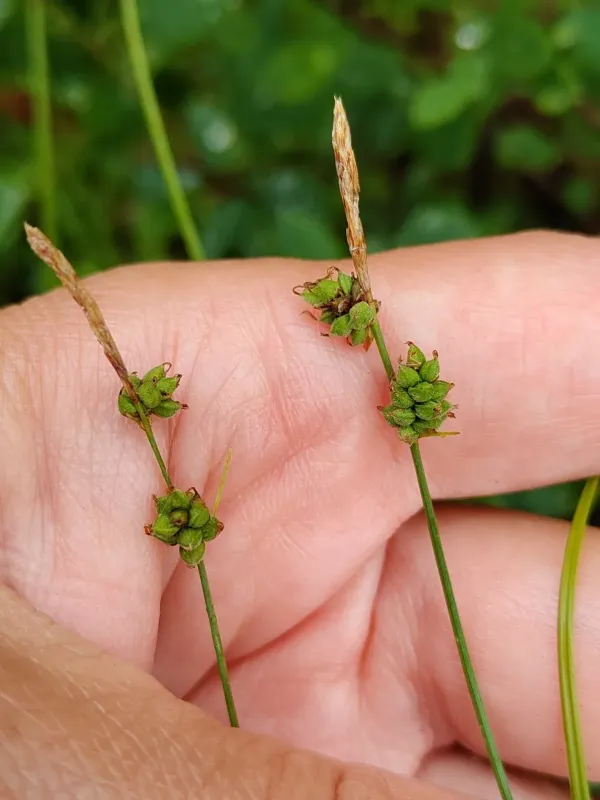
Description
Growing requirements
Carex globularis is a perennial herbaceous plant belonging to the Cyperaceae family. It is commonly found in coniferous forests and boggy areas, where it plays a key role in vegetation cover.
This species thrives in acidic, nutrient-poor soils typically found in northern swampy terrains. Its ability to tolerate low soil fertility makes it a dominant species in specific forest ecosystems.
The plant requires a cool, moist climate to maintain its vitality throughout the growing season. Excessive heat and soil dryness are major limiting factors for its development and propagation.
Botanically, it is characterized by its rhizomatous structure, allowing for clonal growth and effective soil binding. The leaves are narrow and tough, adapted to survive in shaded or semi-shaded environments.
In terms of agricultural utility, it serves as a component of natural forage in wetland regions. While not a high-value fodder crop, it provides essential cover and biomass in areas unsuitable for intensive agriculture.
Main diseases and pests
Fungal diseases, especially rusts, frequently affect the leaf tissue under conditions of high atmospheric humidity. These pathogens can significantly reduce the biomass productivity of the sedge stands.
Various insect pests, including leaf miners and caterpillars, feed on the foliage during the warmer months. Heavy infestations can lead to decreased plant vigor and premature wilting.
Competition from woody plants and aggressive invasive grasses remains a constant threat. Alterations to the local water table, such as drainage, lead to a rapid decline of the Carex globularis population.
The accumulation of dead biomass, if not managed, can favor the development of harmful microorganisms. Periodic controlled clearing or moderate grazing is required to keep the stands healthy.
Environmental changes, particularly climate-driven drying of peatlands, pose the greatest long-term risk. Preserving the natural hydrologic conditions is the primary method of crop protection.