
Sooty sedge
Carex fuliginosa
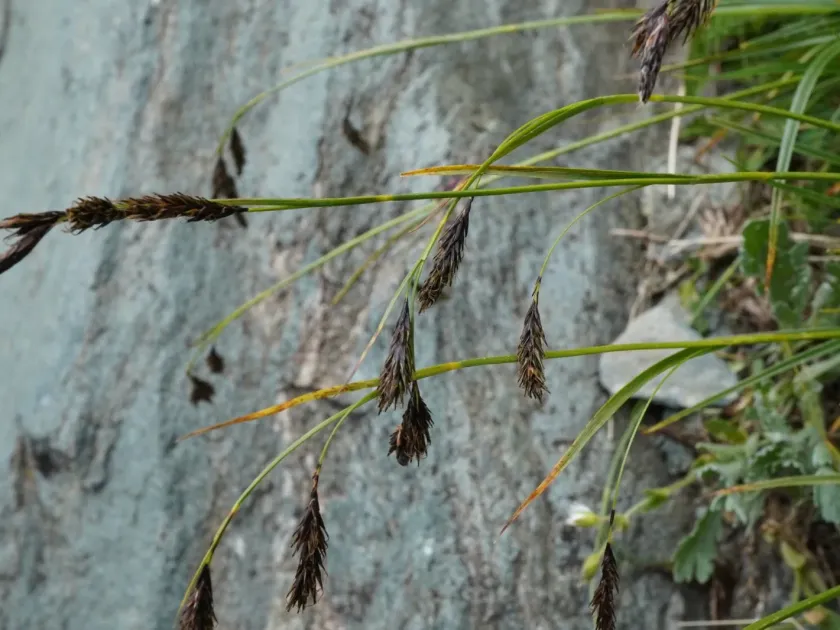
Description
Growing requirements
Sooty sedge (Carex fuliginosa) is a member of the Cyperaceae family, widely recognized for its adaptation to alpine and subalpine environments. It is a perennial herbaceous plant characterized by its robust root system and ability to thrive in challenging high-altitude climates.
The crop requires moist but well-drained soil conditions to thrive. It performs best on calcareous substrates, showing a preference for neutral to slightly alkaline soil pH levels. Ensuring effective water drainage is critical, as stagnant moisture can lead to root system degradation.
Regarding climate, Carex fuliginosa exhibits significant cold tolerance, making it suitable for regions with short growing seasons and harsh winter conditions. It requires moderate sunlight exposure and generally prefers areas with natural moisture seepage rather than arid landscapes.
Agricultural management should focus on preserving soil structure. Due to its slow initial growth rate, early-stage weed control is essential for the establishment of healthy stands. Minimal fertilization is recommended, as excessive nutrients may impair the plant's natural hardiness.
The primary agricultural use of sooty sedge involves soil stabilization on erosion-prone slopes. In mountain pasture systems, it serves as a valuable forage resource, providing essential roughage for livestock, especially in areas where more sensitive grasses fail to survive.
Main diseases and pests
Common diseases affecting this sedge include fungal leaf spot and various types of rust, particularly in high-humidity seasons. Maintaining adequate airflow between plants and avoiding mechanical injuries are primary methods for reducing disease incidence in the field.
Pests such as grasshoppers and specific coleopterans can cause damage to foliage. In cases of significant infestation, localized pest control measures are recommended to ensure the long-term viability of the sod and prevent loss of biomass yield.