
Carex dolichostachya
Carex dolichostachya
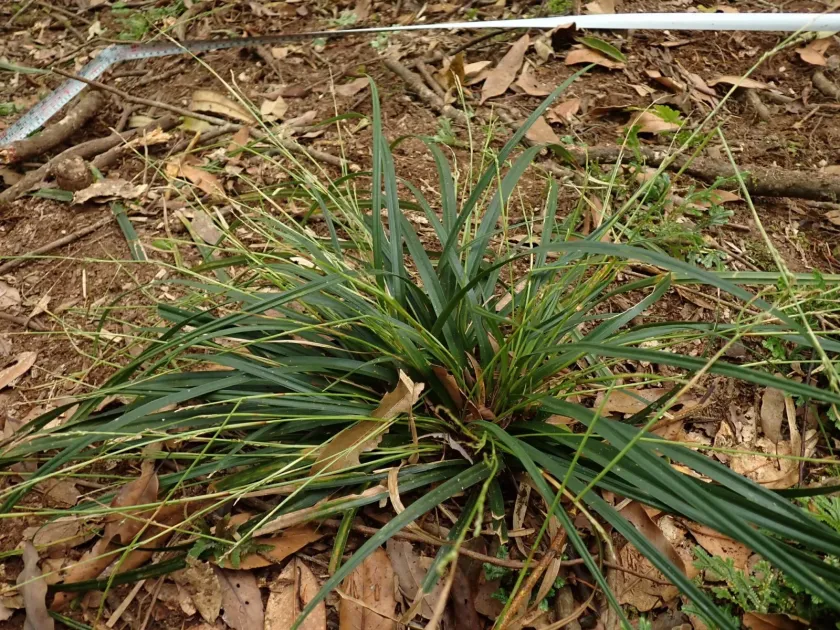
Description
Growing requirements
Carex dolichostachya, commonly known as the long-spiked sedge, is a perennial plant belonging to the Cyperaceae family. Originating from East Asia, this species has adapted to forest environments, which dictates its preference for partial shade and moist, temperate climates.
Botanically, it forms dense, graceful clumps of narrow, arching foliage. Unlike many other grasses, it maintains a slow, controlled growth rate, making it an excellent choice for designers who prefer low-maintenance, tidy groundcovers that do not aggressively spread across the flowerbed.
The soil requirements for this sedge are specific: it thrives in humus-rich, well-draining soils. It is highly beneficial to maintain a slightly moist substrate, but users must ensure that there is no stagnant water, as prolonged waterlogging can lead to root system decay.
In terms of climate, Carex dolichostachya is relatively hardy but sensitive to intense, direct sun which can scorch its delicate blades. It performs best in regions where the summer heat is moderated by shade from trees or structures, ensuring consistent hydration throughout the growing season.
Landscape utilization is the primary focus for this plant. It is frequently employed as an accent plant in rock gardens, a border filler, or a mass-planted groundcover in woodland-style gardens. Its refined texture adds visual depth to landscapes that require year-round foliage interest.
Main diseases and pests
Typical plant health threats include fungal infections such as leaf spots, which are usually triggered by high humidity and poor air circulation around the crown of the plant. Maintaining adequate spacing between specimens helps mitigate these risks significantly.
Pest issues are generally minimal for this species. Occasionally, sap-sucking insects like aphids or mites may appear during periods of drought stress. Providing the plant with adequate water and soil nutrients effectively improves its natural resilience against such attacks.