
Crawford's sedge
Carex crawfordii
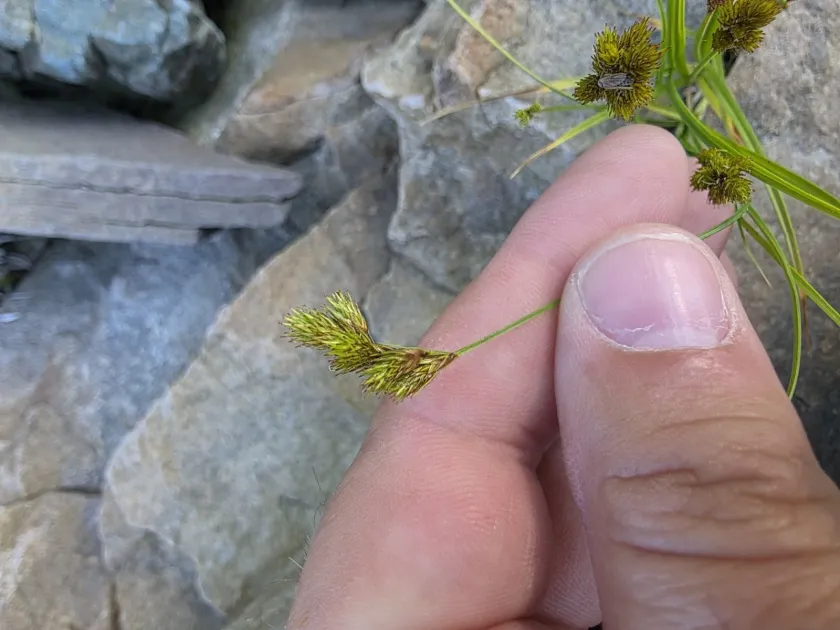
Description
Sowing dates
Crawford's sedge is a perennial grass-like plant belonging to the Cyperaceae family. In the wild, its seeds typically reach maturity in late summer and undergo natural stratification during the winter season before germination in early spring.
For agricultural sowing, seeds should be sown in late autumn or spring after a mandatory period of cold stratification at temperatures between 1 and 5 degrees Celsius for at least 60 days to break dormancy.
Proper depth is critical for successful emergence; seeds must not be buried deeper than 0.5 to 1 centimeter. Consistent contact with moist soil ensures optimal hydration for the small embryos.
Development of seedlings is generally slow in the initial stages as the plant focuses on establishing a robust root system. Providing a stable soil temperature of 15-20 degrees Celsius is beneficial for early growth.
Standard seeding rates are determined by the intended outcome, such as landscape restoration or forage improvement, ensuring that the density is sufficient to prevent weed competition during the early phases.
Growing requirements
This species thrives in open, sunny locations with high moisture levels. Crawford's sedge is particularly well-adapted to loamy and peat-rich soils that exhibit a slightly acidic pH level.
The plant shows significant environmental flexibility and can withstand periodic waterlogging, although it prefers well-drained but consistently moist conditions to reach its maximum productivity.
Climatically, it is a hardy species capable of tolerating harsh winter temperatures typical of its native ranges in North America. It does not require high heat and adapts well to cooler growing seasons.
Nutrient availability significantly impacts biomass production. While the species can persist in lower-fertility soils, light nitrogen fertilization can enhance spring growth rates and improve overall green matter yield.
Prolonged drought is the primary limiting factor for this species. To maintain healthy stands, it is essential to ensure consistent soil moisture, especially during the peak of the summer heat.
Harvesting
The harvesting of green biomass should ideally occur during the pre-flowering stage, when the nutrient profile is most balanced and the leaves have not yet developed tough fibrous structures.
Mechanical mowing for hay production is feasible, provided that cutting heights are adjusted to protect the base of the plant. This ensures rapid regrowth for subsequent cuts during the same season.
For seed production, harvesting must be carefully timed. The inflorescences should be cut when they begin to turn brown, but before the seeds naturally shatter and disperse onto the ground.
Post-harvest processing involves threshing and cleaning the seed mass using specialized air-screening equipment to remove chaff, dust, and immature seeds, ensuring high seed quality.
Proper storage is essential for maintaining germination viability. Seeds should be kept in a dry, cool, and well-ventilated area, which allows them to remain viable for up to three years after collection.