
Grey sedge
Carex canescens
Description
Growing requirements
Grey sedge (Carex canescens) is a perennial herbaceous plant belonging to the Cyperaceae family. It is widely distributed across the Northern Hemisphere, occurring naturally in bogs, fens, and along the margins of wet meadows.
The plant thrives in moist to wet soil conditions, showing a strong preference for acidic to neutral peat soils. It has a high tolerance for waterlogged conditions, which makes it a key species in wetland ecosystems.
From an agricultural management perspective, this plant is primarily utilized within managed wet meadows. Success with grey sedge depends on maintaining a consistent groundwater level, which prevents the encroachment of woody vegetation.
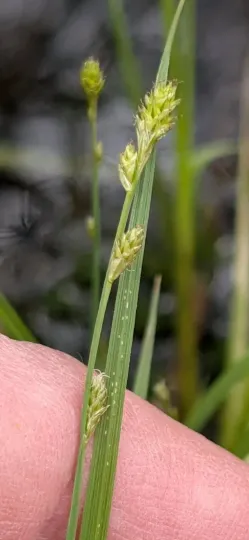
Botanically, it is recognized by its grayish-green foliage and dense, spikes-like inflorescences. The root system is rhizomatous, allowing the plant to form stable clumps that help bind the soil and prevent surface erosion.
Its primary use is as part of the natural vegetation in pasture lands, providing a source of grazing material in areas that are otherwise difficult to cultivate with conventional row crops.
Main diseases and pests
The primary threat to the sustainability of grey sedge populations is the drainage of wetlands. Lowering the water table rapidly makes the habitat unsuitable, leading to the decline of the species.
Pathogenic fungi, such as rusts, can affect the plant during humid, stagnant periods. While typically not catastrophic, severe infections can reduce the palatability and nutritional quality of the forage.
Herbivorous insects are present but rarely reach levels that require chemical intervention in meadow environments. A diverse ecosystem usually maintains these pests at a harmless level for the sedge.
Invasive weed species, particularly those that thrive in slightly drier conditions, pose a significant competitive threat if the site hydrology is altered through mismanagement or climate change.
Overgrazing represents a major risk to the plant's structural integrity. Because the growth point of the sedge can be vulnerable to heavy trampling, rotational grazing strategies are essential for long-term health.