
Carex brongniartii
Carex brongniartii
Description
Growing requirements
Carex brongniartii is a perennial herbaceous plant belonging to the Cyperaceae family. Originating from South America, particularly regions within Argentina and Chile, this species has adapted to diverse climatic zones, ranging from temperate to subtropical environments.
The crop thrives in full sun to partial shade locations, provided the soil remains consistently moist yet well-drained. It is highly adaptable to various soil types, though it shows a preference for nutrient-rich, loamy substrates that maintain moisture without creating stagnant water conditions.
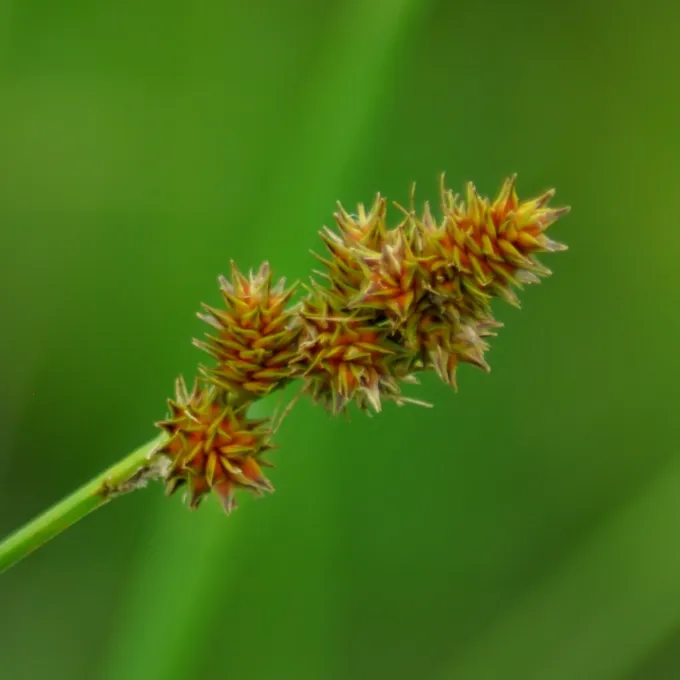
Botanically, the plant is characterized by its distinct tufted growth habit, forming dense clumps of thin, arching leaves. The foliage maintains its structural integrity throughout the growing season, producing characteristic sedge-like inflorescences that contribute to its high ornamental value.
Agronomic management of Carex brongniartii involves regular irrigation, particularly during the establishment phase and during periods of drought. The plant is relatively hardy and requires minimal intervention once established, making it a low-maintenance choice for sustainable landscaping.
The primary economic and aesthetic application for this crop is professional landscaping. It is widely utilized in garden design for its textural qualities, serving as an effective ground cover, border plant, or as a key element in rain gardens and water-feature margins.
Main diseases and pests
Carex brongniartii demonstrates significant resilience against common pests and diseases. However, environmental stress resulting from improper water management remains the leading cause of plant decline, frequently manifesting as root rot in waterlogged soils.
Fungal issues, while rare, may occur in conditions of poor aeration and high humidity. Proper plant spacing is essential to encourage airflow through the foliage, which effectively prevents the buildup of humidity and the subsequent development of mildew or rust infections.
In certain regions, spider mites may become problematic during extended hot and dry spells. These pests target the leaf tissue, leading to chlorosis and general plant weakening; maintaining optimal humidity levels and adequate soil moisture is the primary method of defense.
Soil-borne pests, such as wireworms, can occasionally affect the root system, particularly in newly planted areas. Monitoring and maintaining healthy soil conditions with balanced microbial activity significantly reduces the risk of infestation by subterranean pests.
Sanitation practices, such as removing dead foliage at the beginning of the spring season, are vital for maintaining the long-term health of the clump. This helps to eliminate potential breeding grounds for pests and creates optimal conditions for new, vigorous growth.