
Carambola
Averrhoa carambola L.
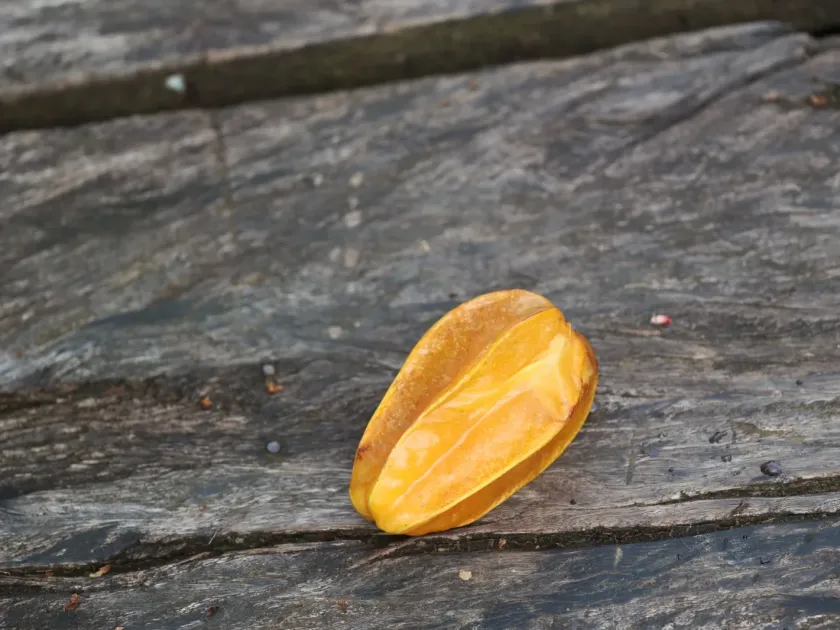
Description
Growing requirements
Carambola (Averrhoa carambola L.) is an evergreen tree belonging to the Oxalidaceae family, native to tropical regions of Southeast Asia. It thrives in humid tropical climates with optimal temperatures ranging between +22 and +30 degrees Celsius.
The plant is highly sensitive to frost and strong winds, which can damage its delicate branches and leaves. Cultivation requires protected areas with high relative humidity to maintain vigorous growth throughout the year.
Soil requirements focus on fertile, well-draining loamy or sandy soils with a pH range of 5.5 to 6.5. Waterlogging is extremely detrimental and must be avoided to prevent root diseases and ensure proper oxygenation.
Ample sunlight is essential for optimal flowering and fruit set. While mature trees tolerate some heat, young saplings often require partial shading to prevent leaf scorch and dehydration.
Agrotechnical management includes consistent irrigation during dry spells and a balanced fertilization program rich in potassium and phosphorus, which are necessary for high-quality fruit production.
Yield
The tree typically begins to bear fruit within 2 to 3 years after planting. Depending on the variety and local climatic conditions, a mature, healthy tree can yield between 50 and 150 kilograms of fruit per harvest cycle.
Main diseases and pests
The primary pests affecting carambola are fruit flies, which cause damage by laying eggs inside the developing fruit. Other pests include spider mites and aphids, which can be managed through integrated pest control measures.
Pathological issues such as anthracnose and root rot are common in high-humidity conditions with poor airflow. Maintaining good sanitation and proper pruning helps mitigate these risks significantly.
Harvesting
Harvesting is performed manually when the fruit reaches its full size and desired color, typically turning yellow or orange. Fruit should be handled with care as they are susceptible to bruising.
Known for its star-shaped cross-section, the fruit is used extensively in culinary applications, ranging from fresh consumption to gourmet garnishes. Proper storage in refrigerated conditions ensures a shelf life of up to two weeks.