
Bilimbi
Averrhoa bilimbi L.
Description
Growing requirements
Bilimbi (Averrhoa bilimbi) belongs to the Oxalidaceae family and is a small tropical tree typically reaching heights of 5 to 10 meters. This evergreen plant is characterized by a dense canopy featuring compound leaves that exhibit nyctinasty, folding up during the night.
To ensure optimal growth and consistent fruit production, the crop requires a strictly tropical climate with high humidity. The plant is extremely sensitive to cold temperatures and cannot survive even light frosts, which limits its commercial cultivation to frost-free tropical regions.
The crop thrives in well-drained, fertile soils with a neutral or slightly acidic pH balance. It is critical to avoid waterlogged areas, as the root system of the bilimbi tree is prone to rot under conditions of excessive soil moisture, despite the tree's overall need for humidity.
Bilimbi is sun-loving, although young seedlings may benefit from partial shade during their establishment phase. When selecting a planting site, it is necessary to provide protection from strong winds, which can damage brittle branches and cause premature fruit drop.
Agronomic practices include regular irrigation during dry periods and periodic application of organic fertilizers to maintain growth momentum. Pruning is essential for canopy management, promoting aeration, and removing damaged limbs to prevent the spread of diseases.
Yield
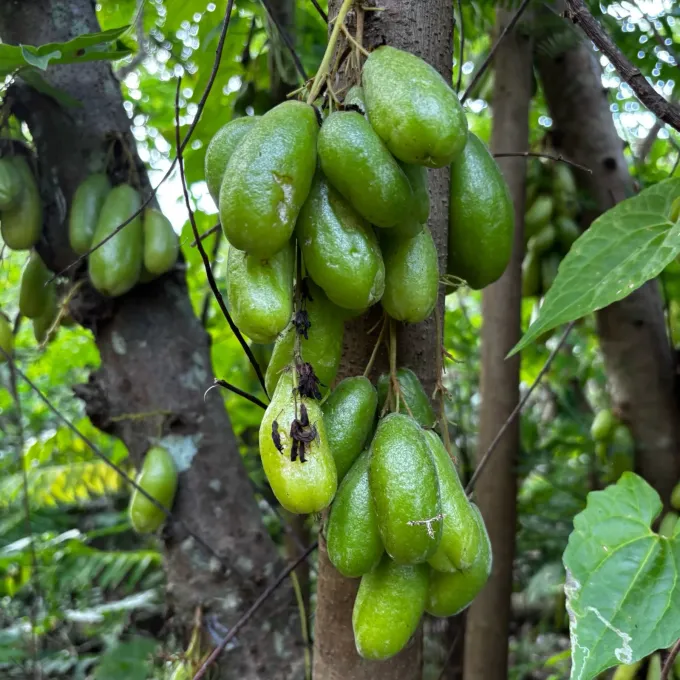
The yield of bilimbi is exceptionally high, as the tree is capable of continuous flowering and fruiting throughout the year in ideal tropical conditions. Fruits grow in clusters directly on the trunk and main branches, a phenomenon known as cauliflory.
Economically, the crop is valued for its intensive production, with a mature tree capable of yielding hundreds of kilograms of fruit annually. The fruits are cylindrical, 4 to 10 cm in length, and possess a distinctively sharp, acidic flavor profile.
The fruit is used in a variety of culinary applications, including fresh consumption, pickling, preparation of spicy sauces, jams, and traditional refreshing beverages. In Southeast Asia, it serves as a staple ingredient in diverse regional cuisines.
Beyond culinary uses, the plant is valued for its nutritional content and traditional medicinal applications. Both the leaves and the fruits are frequently cited in folk medicine for their properties in managing blood pressure and treating skin conditions.
Due to the high density of fruit production, harvesting requires careful handling to protect the delicate bark of the trunk. Commercial orchard management focuses on optimizing tree spacing to facilitate easy access during the harvest season.
Main diseases and pests
The primary threats to bilimbi health are fungal root diseases, often caused by poor drainage or overwatering. Maintaining a proper balance of soil moisture and selecting sites with high permeability are the most effective preventive measures against these infections.
Pests such as fruit flies can cause significant damage to the crop by infesting ripening fruit. Controlling these populations requires the implementation of integrated pest management strategies, such as traps and monitoring, to reduce the need for chemical intervention.
Aphids and scale insects can affect young shoots and foliage, depleting the plant's resources. Frequent monitoring of the canopy allows for the early detection of these pests, enabling the use of biological control agents before an outbreak occurs.
Nutrient deficiencies in the soil can lead to leaf chlorosis, which can be corrected through balanced fertilization programs. The tree is highly responsive to good nutrition, which significantly enhances its overall resilience and vigor.
Overall, bilimbi exhibits robust health when provided with appropriate agricultural conditions. The key to successful long-term cultivation is regular maintenance of the soil structure and ensuring that the canopy remains well-ventilated to avoid pathogen buildup.