
Woolly Senecio
Caputia tomentosa
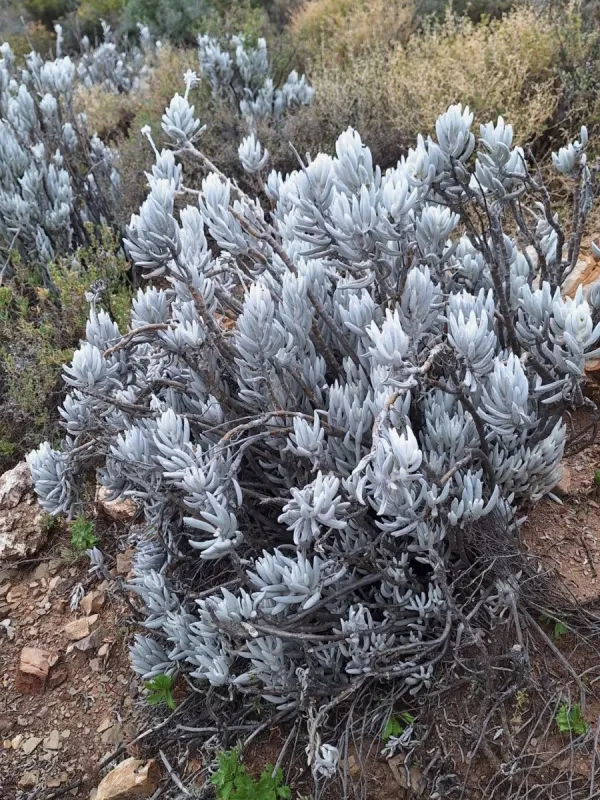
Description
Sowing dates
Caputia tomentosa is best propagated through stem cuttings or seeds during the early spring. Increasing daylight hours provide the necessary stimulus for healthy growth.
Cuttings should be taken from vigorous stems and allowed to callous in a shaded area for several days. This process is critical to prevent rot upon potting in a growing medium.
Seeds require a fine, gritty, and well-draining substrate. Maintaining a consistent temperature between 20-25 degrees Celsius ensures successful germination and early development.
Young seedlings must be provided with bright, indirect light immediately after sprouting. Overwatering during this stage is the leading cause of seedling mortality.
Once established, the young plants should be moved to individual pots with excellent drainage to ensure the root system continues to develop properly.
Growing requirements
As a member of the Asteraceae family, this succulent thrives in environments that mimic its native South African habitat. Intense sunlight is essential to maintain the white, woolly appearance.
The soil must be highly porous and inorganic-heavy. Using a standard cactus mix amended with perlite or pumice is the best approach for long-term health.
Watering should be deep but infrequent. Allow the potting soil to dry out completely between waterings, as the plant is highly sensitive to moisture buildup in the soil.
During the winter dormant phase, water should be withheld almost entirely. Ensure the plant is placed in a cool, well-ventilated area to prevent etiolation or fungal growth.
Fertilization is rarely required, but a low-nitrogen, balanced succulent fertilizer can be applied sparingly once during the growing season if growth appears stunted.
Main diseases and pests
Root rot is the most common disease associated with this species. It is almost exclusively caused by overwatering or poor drainage leading to hypoxic conditions in the roots.
Mealybugs are the primary pest threat to Caputia tomentosa. They often hide deep within the dense, woolly fibers of the foliage, making them difficult to detect and eradicate.
Spider mites can also become a problem if the plant is kept in stagnant, excessively dry air. Regular monitoring and proper ventilation are effective preventative measures.
Treatment for pests should involve systemic insecticides that are safe for delicate succulents. Avoid heavy oils that may damage the unique epidermal hairs and the aesthetic value of the foliage.
Maintaining a quarantine protocol for new plants is essential to protect the overall collection from potential infestations and pathogen introduction.