
Caputia medley-woodii
Caputia medley-woodii
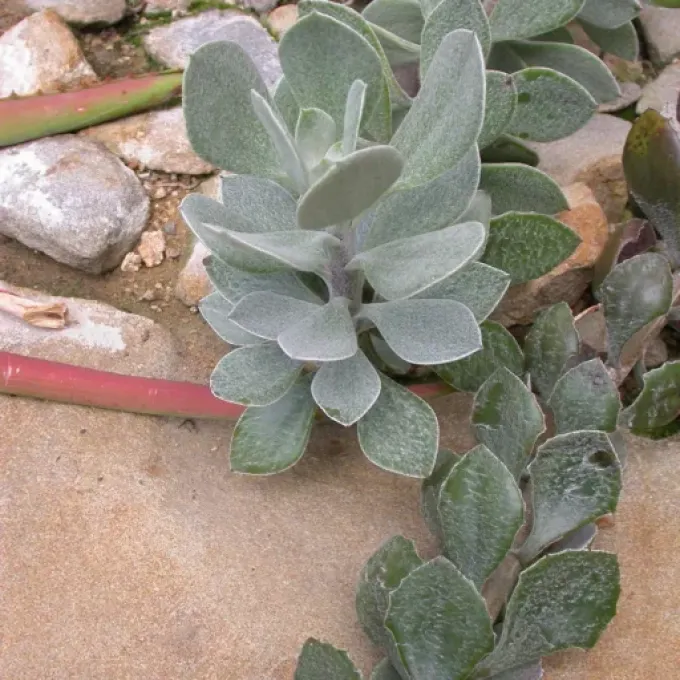
Description
Growing requirements
Caputia medley-woodii is a fascinating succulent belonging to the Asteraceae family. Originally known under the Senecio genus, this plant is recognized for its unique fleshy leaves and compact growth habit, which makes it a popular specimen for collectors of arid-zone flora.
Native to the harsh landscapes of South Africa, the plant has evolved to store water efficiently in its leaves. In terms of agronomy, this species requires specific environmental conditions that mimic its natural habitat to thrive and maintain its aesthetic integrity.
Regarding climate requirements, the plant demands bright, direct light. It is essential to ensure high light intensity, especially during the growth season, to prevent etiolation. Temperatures should ideally range between 20°C and 25°C in the summer, with cooler periods encouraged during the winter months to mimic natural dormancy.
The soil structure must be highly porous and well-draining. A typical potting mix for this culture consists of a blend of volcanic rock, coarse sand, and a small portion of organic matter. Proper drainage is the most critical factor in preventing physiological stress in the root zone.
Cultivation practices dictate a 'soak and dry' method of irrigation. It is essential to allow the substrate to dry out completely between waterings, as the plant is highly susceptible to root decay when exposed to continuously wet or stagnant environmental conditions.
Main diseases and pests
Root rot, often caused by overwatering or poor soil aeration, is the primary threat to the vitality of Caputia medley-woodii. Once the root system is compromised, the infection can quickly spread to the stems, leading to irreversible tissue necrosis.
Mealybugs are the most common pest found on this succulent. They tend to cluster in the tight spaces between leaves, making them difficult to detect until a significant infestation occurs. Manual removal or the use of specialized systemic pesticides is recommended for management.
Spider mites can also cause significant damage if the ambient air remains dry for extended periods. These pests feed on the cellular sap, resulting in bleached, mottled leaves that significantly lower the commercial and aesthetic value of the specimen.
Good cultural hygiene, including the sterilization of pots and tools, is an effective strategy for preventing the introduction of pathogens. Avoiding crowded plant spacing helps maintain better airflow, reducing the risk of fungal proliferation.
Consistent monitoring of plant health allows for the early detection of stress factors. By maintaining a clean environment and balanced irrigation, growers can successfully mitigate the majority of common threats associated with this species.