
Canna lily
Canna x generalis L. H. Bailey
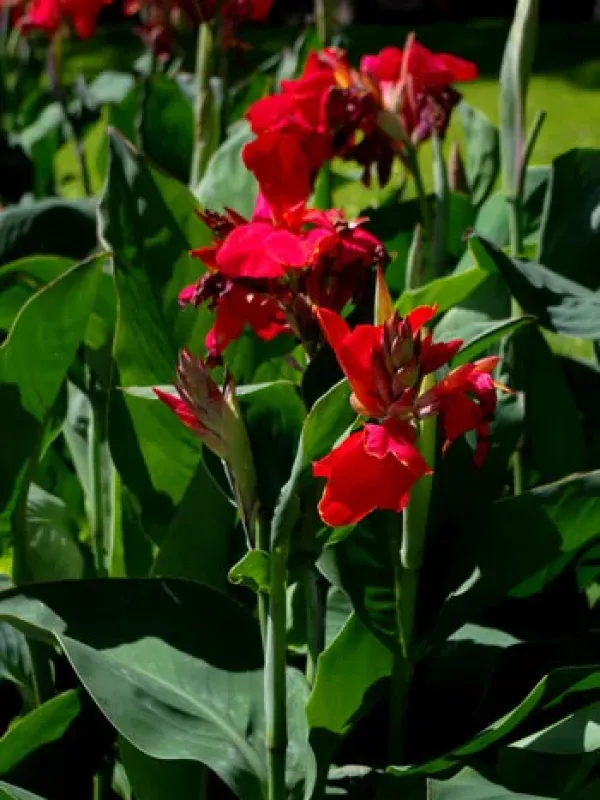
Description
Sowing dates
Canna lily (Canna x generalis) is a vigorous ornamental perennial belonging to the Cannaceae family, widely grown for its spectacular flowers and foliage.
Propagation is typically performed through the division of rhizomes, which should be done carefully to ensure each piece has at least one healthy growth bud.
In temperate zones, it is common to start rhizomes in pots indoors during early spring, which significantly extends the growing season and ensures earlier blooming.
Transplanting into the open garden must only occur after the soil has warmed sufficiently and all danger of frost has passed, usually late in the spring.
Choosing the right location is crucial; these plants perform best in full sun and require protection from strong, damaging winds that can tear their large leaves.
Growing requirements
Canna lilies thrive in warm climates and require a minimum temperature of 20 degrees Celsius to maintain healthy vegetative growth and flower production.
The soil should be rich in organic matter, deep, and well-draining, as the plant does not tolerate waterlogged conditions that lead to rhizome rot.
Consistent irrigation is vital during the peak of summer, as high humidity and moisture levels contribute to the lush growth characteristic of the species.
Regular fertilization with balanced nutrients is recommended to sustain the plant's high energy requirements during the flowering phase of the season.
Mulching the surrounding soil helps in retaining moisture and suppressing weed growth, reducing the need for frequent manual labor during the season.
Main diseases and pests
Canna rust, a fungal disease, is a common threat that manifests as small orange pustules on the leaves, which can spread rapidly if left untreated.
Canna leaf rollers are specific pests that feed on the foliage, rolling the leaves and damaging the overall aesthetic appeal of the plant cluster.
Viral diseases, specifically Canna yellow streak virus, cause discoloration and stunting, requiring the immediate removal and destruction of infected plants.
Proper hygiene, such as disinfecting pruning tools between different plant groups, is an essential preventative measure against the spread of plant diseases.
Monitoring for aphid infestations is also necessary, as these insects can act as vectors for viruses that severely impact the plant's long-term health.
Harvesting
Harvesting for winter storage occurs immediately after the first light frosts, which trigger the plant to enter its natural period of dormancy.
The stems are cut back significantly, leaving only a short stump of approximately 10 to 15 centimeters to protect the main crown of the rhizome.
After lifting the rhizomes from the soil, it is important to allow them to air-dry in a sheltered location to prevent rot during the dormant phase.
The storage medium should be slightly moist but well-ventilated, such as sawdust or peat moss, kept in a dark room at about 8 to 10 degrees Celsius.
Regular inspection of the stored rhizomes is critical throughout the winter months to remove any sections showing signs of decay or mold infestation.