
Canna indica
Canna indica L.
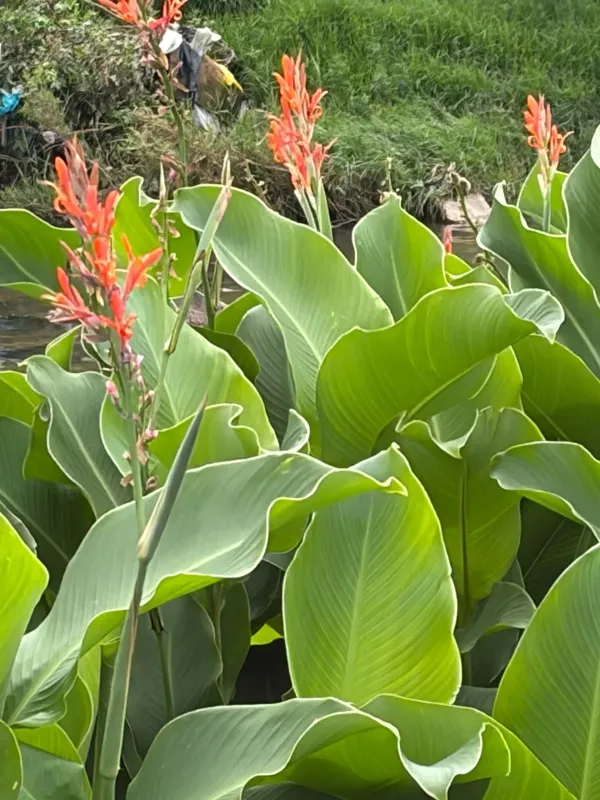
Description
Sowing dates
Canna indica is primarily propagated through the division of its rhizomes, which ensures the preservation of the parent plant's specific traits. The ideal time for planting is after the risk of late spring frosts has passed and the soil has warmed to a temperature of 15-20 degrees Celsius.
For seed propagation, sowing is performed in February or March in protected environments like greenhouses. The seeds possess a very hard seed coat, necessitating scarification—mechanically damaging the coat or treating it with hot water—to stimulate rapid germination.
Seedlings grown from seeds should only be transplanted to their permanent outdoor location once stable warm weather is established. Canna prefers sunny locations sheltered from strong winds, which can damage its large decorative leaves and tall flower stalks.
In regions with mild winters, rhizomes may overwinter in the soil; however, in most climates, annual lifting is required. Planting in the field is scheduled for May, ensuring a spacing of at least 50-70 centimeters between plants to allow for proper vegetative development.
To accelerate flowering, experienced growers often pre-sprout rhizomes in pots with substrate a month before the final transplant. This method produces robust plants that are ready to bloom as early as the beginning of summer.
Growing requirements
Canna indica belongs to the Cannaceae family and is a heat-loving perennial herbaceous crop. It requires maximum sun exposure, as insufficient light leads to stem etiolation and significantly reduces the intensity of flowering.
The plant has high requirements for soil fertility, preferring deeply cultivated, loose, and nutrient-rich substrates with a neutral or slightly acidic pH. Before planting, it is advisable to enrich the plot with organic matter, such as well-rotted manure or compost, to support vigorous growth.
A crucial factor in its management is consistent and sufficient watering. Due to the large surface area of its leaves, the plant undergoes high rates of transpiration, meaning that soil moisture levels must be monitored carefully during hot summer months.
However, Canna does not tolerate waterlogging; therefore, on heavy clay soils, proper drainage is essential. The water table should ideally be kept below 60-80 centimeters to prevent root rot and ensure the long-term health of the rhizome system.
Agrotechnical maintenance includes systematic hoeing between rows and weed control. These practices improve soil aeration and help retain moisture, which is vital for the development of a strong and healthy Canna indica stand.
Yield
Canna indica holds significant agricultural importance as a starch-producing crop. In tropical regions, its rhizomes are harvested as a raw material for the food industry, as they contain a high percentage of high-quality vegetable starch.
The yield of this crop depends directly on the length of the growing season and the intensity of fertilization. With proper management, the rhizome harvest can be quite substantial, making the plant a viable prospect for specialized cultivation plantations.
Beyond its food applications, Canna is highly valued as a high-productivity ornamental crop. In gardening, yield is assessed by the number of flower spikes and the overall density of the foliage, which determine the aesthetic value of the planting.
The green biomass of Canna indica can also be utilized as livestock forage. The plant regenerates quickly after cutting, allowing for several harvests of biomass within a single growing season, which is advantageous for efficient agricultural operations.
To maximize the extraction of commercial starch, harvesting is carried out at the end of the vegetative cycle, just before the arrival of cold weather, when the concentration of carbohydrates in the tissues reaches its peak.
Main diseases and pests
Canna indica is generally resistant to most diseases, though adverse conditions can lead to bacterial infections. Primary symptoms include blackened buds and leaf rot, often caused by excessive humidity during cool, damp weather conditions.
Among pests, caterpillars are the most damaging, as they feed on leaf blades and leave large holes. Aphids and spider mites may also infest the plant, particularly in conditions with low atmospheric humidity and high temperatures, leading to stunted growth.
Rhizomes during storage can be susceptible to gray mold if ventilation in the storage area is inadequate. To prevent losses, the planting material must be thoroughly dried before being stored for the winter.
Pest control is conducted using approved insecticides following strict application regulations. A critical preventive measure is the disinfection of gardening tools during the rhizome division process to prevent cross-contamination.
Following crop rotation principles and the timely removal of plant debris minimize the risk of infection. This approach reduces the need for chemical interventions and helps maintain the ecological health of the growing site.
Harvesting
Harvesting of Canna indica rhizomes begins in the autumn after the first frosts, which signal the start of the plant's dormancy. Stems are cut back to a height of about 15 centimeters above the soil level before the rhizomes are lifted.
The root system is carefully extracted from the soil using garden forks, taking care not to damage the buds necessary for future growth. The lifted tubers are cleaned of soil debris and dried in a shaded, well-ventilated area.
For winter storage, rhizomes are placed in crates and covered with peat, moist sand, or sawdust to prevent desiccation. The optimal temperature for storage is between 5 and 8 degrees Celsius with moderate humidity levels.
In large-scale operations, harvesting is performed mechanically with equipment calibrated to minimize damage to the tubers. Any damaged specimens are separated immediately for urgent processing into starch.
Sorting the planting material by size and health status before storage helps minimize losses during the winter months. Proper care of the rhizomes is the foundation for a productive crop in the following season.