
Jack bean
Canavalia ensiformis (L.) DC.
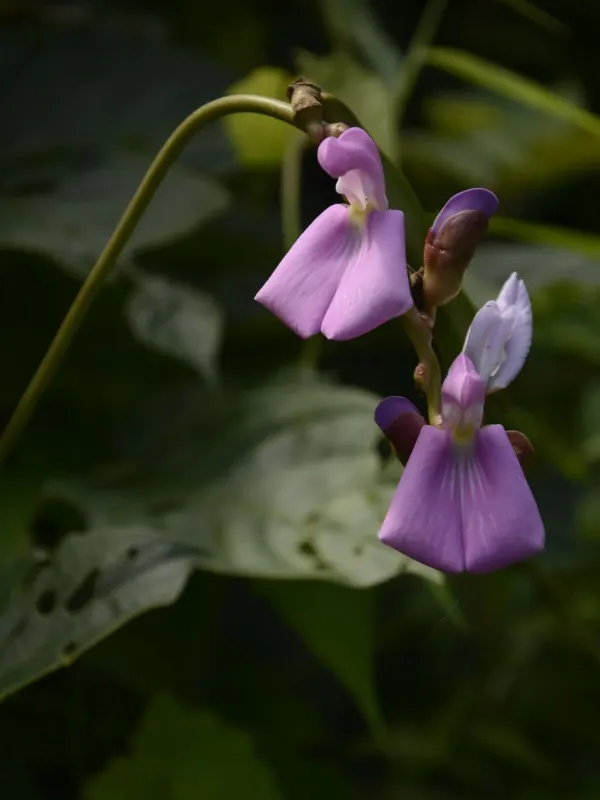
Description
Sowing dates
The Jack bean is a tropical plant that is highly sensitive to cold, making its sowing schedule strictly dependent on soil and air temperature. Planting should only begin once soil temperatures consistently exceed +20°C.
The ideal time to plant is in late spring or early summer, ensuring the crop is protected from any late frost. Delaying planting too long may shorten the growing season and hinder full seed development.
Planting is typically performed in rows spaced 60-90 cm apart, given the plant's robust and bushy structure. Seeds are buried 3-5 cm deep, depending on the soil moisture and texture.
Seeds demonstrate strong germination energy provided there is sufficient soil moisture. Seedlings usually emerge within 7-10 days, quickly establishing a canopy that effectively suppresses competing weeds.
To maximize biomass for green manure, it is essential to adjust plant density based on the specific climatic capacity of the region, ensuring the field is fully covered during the growing season.
Growing requirements
Belonging to the Fabaceae family, this species is a vigorous annual herb. It has significant heat requirements and can be stunted or killed by even mild, prolonged cold spells.
While the Jack bean performs best in fertile, well-drained soils, it is highly resilient and can grow in nutrient-poor soils. Its deep taproot system allows it to withstand temporary periods of drought.
Light availability is a critical factor for successful development. The plant is strongly photophilous, requiring full sun exposure throughout its life cycle to maintain optimal rates of photosynthesis.
The optimal soil pH range for this crop is 5.5–7.0. It does not tolerate waterlogging, so fields prone to standing water or high water tables should be avoided for successful production.
A key biological advantage is the plant's ability to form symbiotic relationships with nitrogen-fixing bacteria. This makes the Jack bean an excellent crop for soil nitrogen enrichment.
Yield
The agricultural value of the Jack bean is primarily driven by its high biomass production, which can range from 30 to 50 tons per hectare depending on management practices.
Seed yields can reach up to 2-3 tons per hectare under ideal growing conditions. However, producing seeds requires a long, frost-free period, which limits seed production to tropical or warm-temperate regions.
Used as a green manure, it significantly improves soil structure and fertility. Incorporating this organic matter provides a substantial nitrogen boost for subsequent crops in a rotation program.
As a fodder crop, it can be used fresh or ensiled. However, it requires heat treatment (such as boiling or toasting) to neutralize certain anti-nutritional factors present in the raw beans.
The crop's stability is attributed to its high tolerance for environmental stressors, particularly high summer temperatures and irregular rainfall, making it a reliable choice for sustainable farming.
Main diseases and pests
Major pests affecting this crop include spider mites and various aphid species, especially during dry spells. Routine field monitoring is recommended to intervene before pest populations become problematic.
Root rot and anthracnose are the most frequent diseases, often occurring when soil moisture is excessive or when the same field is used for legumes repeatedly without proper rotation.
Prevention relies on using disease-free seed and maintaining proper row spacing. Good airflow within the crop stand is essential to prevent the accumulation of humidity that favors fungal pathogens.
In high-intensity agricultural systems, fungicides may be necessary if disease pressure threatens the integrity of the harvest, although this is usually a last-resort measure in sustainable systems.
Weed control in the early growth stages is vital, as weeds can act as secondary hosts for many of the viruses and fungi that target the Jack bean plant.
Harvesting
When intended for green manure, harvesting should occur during the full flowering stage. At this point, the plant has accumulated maximum biomass, and the stems are still tender enough for easy incorporation.
For seed collection, harvesting is deferred until the pods turn brown and start to dry. Precision is needed to avoid pre-harvest shattering, which can lead to significant grain loss if left in the field too long.
After cutting, the biomass is shredded and incorporated into the soil or prepared for ensilage. Silage requires thorough shredding to ensure proper fermentation and quality preservation.
Seeds must be dried to 12-14% moisture content post-harvest. Proper drying is crucial for long-term storage and preventing mold growth during the off-season.
Harvesting machinery should be calibrated carefully to prevent bruising the beans. Mechanically damaged seeds are prone to rotting and lose their viability and market value rapidly.