
Zoys bellflower
Campanula zoysii
Description
Growing requirements
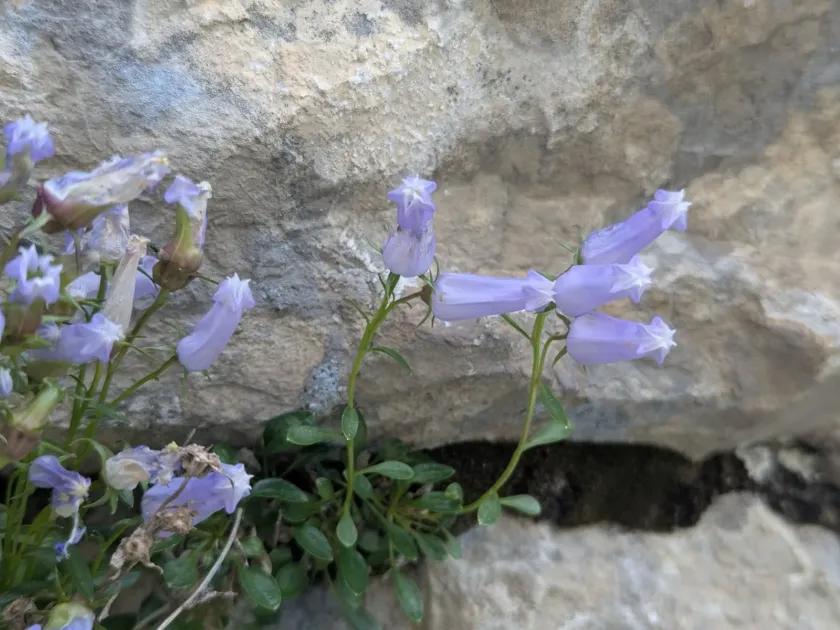
The Zoys bellflower (Campanula zoysii) is a perennial herbaceous plant from the Campanulaceae family. It is a rare endemic species native to the eastern Alps, where it naturally colonizes crevices in limestone cliffs at high altitudes.
The plant is characterized by dense rosettes of spathulate leaves and remarkably distinctive bottle-shaped flowers with a star-shaped aperture. This unique floral morphology makes it a highly prized specimen for alpine enthusiasts and specialist gardeners.
Cultivation requires replicating extreme high-altitude conditions, specifically cool temperatures and excellent drainage. The plant is notoriously difficult to grow in lowland areas because it demands high air humidity combined with a constant, sharp drainage.
The ideal growing medium is a scree-like mixture consisting of limestone chippings, grit, and a minimal amount of leaf mold. As a calcicole, it thrives specifically in high-calcium environments, which are necessary for its metabolic health and vibrant blooming.
Optimal placement involves vertical rock crevices or specialized alpine troughs that prevent water from pooling around the root crown. Proper positioning ensures the longevity of the plant and mitigates the risks associated with horticultural neglect.
Main diseases and pests
Slugs and snails represent the most significant threat to the foliage. These pests can rapidly defoliate the dense rosettes, often requiring consistent monitoring or the use of physical barriers like crushed grit or specialized deterrents.
Root rot, driven by stagnant moisture and poor aeration, is the primary cause of mortality in cultivation. Maintaining a porous, fast-draining substrate is the most effective preventative measure against fungal pathogens that target the root system.
Aphid infestations on the flower stalks can distort the unique buds and weaken the plant's reproductive output. Timely application of mild, plant-safe insecticides is necessary to maintain the plant's health during the spring growing season.
Soil acidification presents a physiological challenge, leading to chlorosis and stunted growth. Because the Zoys bellflower is adapted to alkaline conditions, maintaining a consistent pH level through limestone additives is vital for its survival.
Winter wetness, especially during thaw cycles, is detrimental to the dormant plant. Providing adequate overhead protection or ensuring the crown stays dry is crucial for preventing tissue damage and crown rot during the winter months.