
Zangezur bellflower
Campanula zangezura
Description
Growing requirements
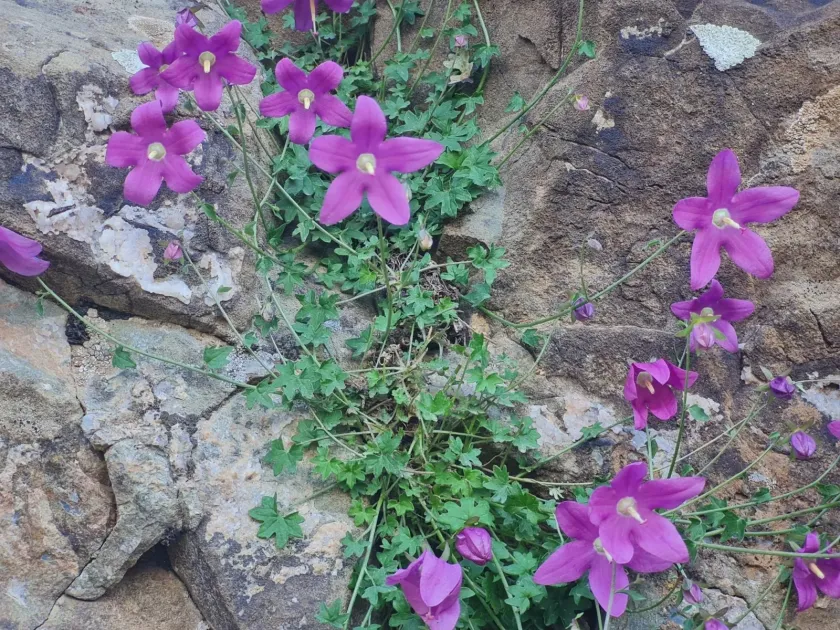
The Zangezur bellflower (Campanula zangezura) is a perennial herbaceous plant belonging to the Campanulaceae family. Originally native to the mountainous terrain of the Zangezur range, it has adapted to specific climatic and soil conditions typical of alpine environments.
Cultivation requires well-draining, moderately fertile soil with a neutral to slightly alkaline pH. Proper soil preparation must include a drainage layer, as stagnant water is detrimental to the plant's root system and often leads to rapid decay.
This species thrives in sunny locations, as direct sunlight is essential for maintaining compact growth and ensuring abundant flowering. While it is hardy, it requires protection from extreme winter humidity, which can be just as damaging as low temperatures.
The agricultural management of the plant involves moderate irrigation, ensuring the soil surface dries slightly between waterings. Excessive moisture, especially during the dormant season, is the primary cause of failure in agricultural cultivation.
Fertilization should be balanced, focusing on mineral nutrients rather than high nitrogen levels, which can lead to excessive vegetative growth at the expense of floral development. Regular weeding and space management are vital for healthy growth.
Main diseases and pests
The plant is susceptible to fungal pathogens, particularly powdery mildew and root rot, which are exacerbated by poor air circulation and excessive moisture. Preventive measures include ensuring wide spacing and avoiding overhead irrigation during humid weather.
Slugs and snails are the most common pests, targeting the tender shoots and foliage. Gardeners often use physical barriers, such as crushed gravel or copper tape, along with organic molluscicides to protect the plantings from damage.
Aphids can infest the flower buds and young foliage, sapping the energy of the plant. Applying horticultural soaps or systemic insecticides is the standard practice for controlling these pest populations during the growing season.
Root-feeding larvae, such as those of the wireworm, pose a hidden threat to the underground parts of the plant. Soil treatment before planting and the use of natural predators are effective ways to maintain the integrity of the root system.
Regular monitoring for symptoms of stress or infection is crucial for successful cultivation. Early identification allows for localized treatment, preventing the spread of diseases and pests throughout the entire crop area.