
Saxifrage bellflower
Campanula saxifraga
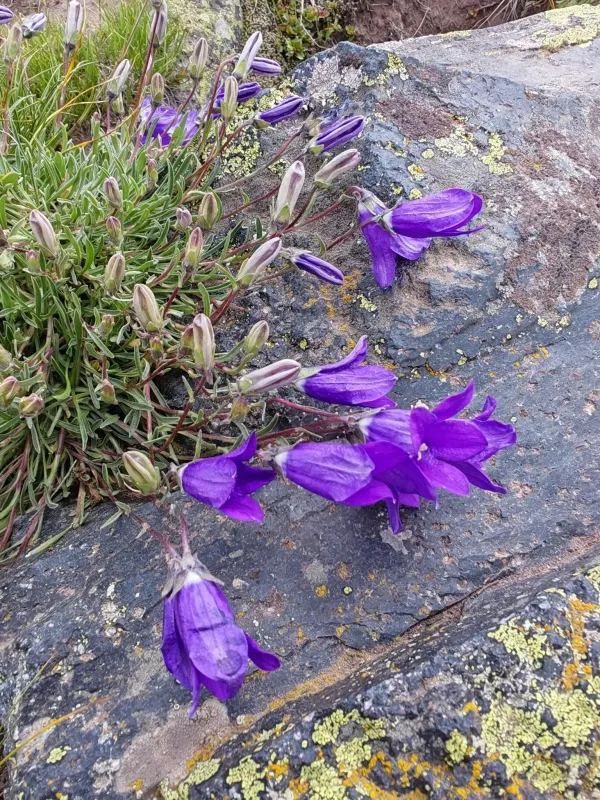
Description
Sowing dates
Sowing seeds of Campanula saxifraga in temperate climates is best done in late autumn, specifically October or November, directly into the open ground. This provides the natural stratification required for successful germination in the following spring.
If sowing in the spring (March–April), seeds must undergo a preliminary stratification period in a refrigerator for 30–45 days. The seeds are very small and require light for germination, so they should be sown on the surface of a light, well-draining substrate.
Pricking out seedlings should be carried out when the first two true leaves have developed. As these plants grow relatively slowly, it is crucial to provide them with adequate space to prevent competition from weeds during their first year.
Vegetative propagation via division or cuttings can be practiced in late spring or early autumn. This method preserves the plant's varietal characteristics and leads to a mature, flowering plant much faster than starting from seeds.
When selecting a planting site, choose a location with good morning light that provides protection from intense midday heat, especially in warmer gardening zones.
Growing requirements
Saxifrage bellflower belongs to the Campanulaceae family and originates from the rocky mountain regions of the Caucasus. This culture thrives in stony, well-draining calcareous soils with a neutral or slightly alkaline pH.
The plant is highly sensitive to waterlogged root systems, making proper drainage essential, especially when planting in heavier soil types. Winter water retention often leads to crown rot, which can be fatal for these small rosettes.
For optimal growth and abundant flowering, these plants need an open, airy location that is sheltered from harsh winds. In rock gardens, they perform best when placed in crevices, which mimic their natural mountain habitat.
Mineral fertilizers should be applied sparingly in the spring during active growth. Excessive nitrogen can reduce cold hardiness and cause overly succulent growth, compromising the plant's natural compact and decorative form.
The plant is generally winter-hardy, but during snowless winters with extreme temperature fluctuations, it is advisable to provide light protection with spruce branches or horticultural fleece to prevent dehydration.
Main diseases and pests
The primary threat to Campanula saxifraga is excess soil moisture, which promotes fungal diseases such as root rot and fusarium wilt. Affected plant parts should be removed immediately, and the surrounding soil treated with fungicides.
Slugs and snails are major pests for young foliage, especially during humid weather. Control methods include manual removal or the application of specialized slug pellets based on metaldehyde around the perimeter of the planting site.
In cases of overcrowding or poor air circulation, plants may become susceptible to powdery mildew. Proactive prevention involves correct spacing during the initial planting and ensuring adequate airflow between specimens.
Aphids may infest flower buds during hot, dry weather, sapping energy and stunting flower stalk development. Manage populations by using systemic insecticides or by applying mild soap-based solutions directly to the affected areas.
Nematodes are a dangerous soil-borne pest that is often difficult to detect early. If an infestation is suspected, treatment involves using specific nematicides or completely replacing the contaminated soil to prevent further spread.