
Sartor's Bellflower
Campanula sartorii
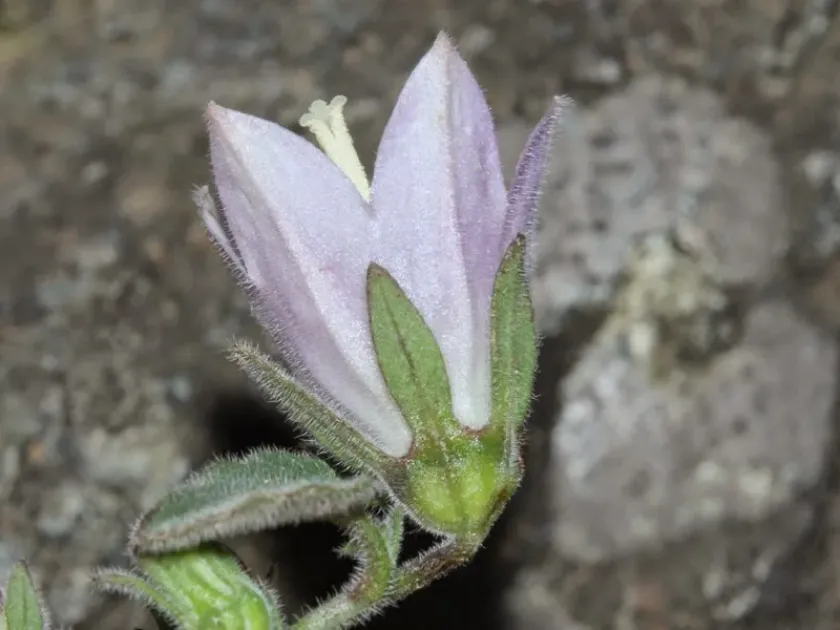
Description
Growing requirements
Sartor's Bellflower (Campanula sartorii) is a herbaceous perennial belonging to the Campanulaceae family. This species originates from the rocky terrains of Greece, which dictates its specific ecological preferences and cultivation needs.
The plant requires well-drained, gritty, and calcareous soil to thrive. It is essential to ensure excellent drainage, as the species is highly sensitive to waterlogging, which often leads to rapid decay of the root system.
This bellflower thrives in open, sunny environments. Direct sunlight is crucial for maintaining the plant's compact growth form and ensuring abundant flower production throughout the growing season.
Climate adaptation is a key factor; while it prefers moderate temperatures, it requires protection from excessive winter moisture. In colder regions, rock gardens with overhead protection are recommended for successful overwintering.
Primarily utilized in horticulture, this plant is a staple for rock gardens, crevice plantings, and stone walls. Its unique ability to grow in nutrient-poor, rocky substrates makes it a valued specimen for specialized gardening designs.
Main diseases and pests
Fungal diseases are the primary threat, particularly root rot caused by poor soil ventilation. Keeping the area around the base of the plant dry is a critical measure in preventing these fatal conditions.
Pests such as aphids and spider mites can infest the foliage, especially during hot and dry spells. Regular monitoring and the application of mild insecticidal soaps are recommended for effective management.
Slugs and snails frequently target young leaves and flower buds. Utilizing physical barriers such as sharp grit or copper tape around the planting site can significantly reduce the pressure from these pests.
Nematode infestations can lead to stunted growth and yellowing of the foliage. It is important to source healthy planting material and maintain optimal soil hygiene to prevent the spread of soil-borne parasites.
Good air circulation is vital for plant health. Avoiding overcrowding in the planting scheme prevents the accumulation of moisture and reduces the risk of powdery mildew outbreaks on the leaves.