
Rumelian bellflower
Campanula rumeliana
Description
Sowing dates
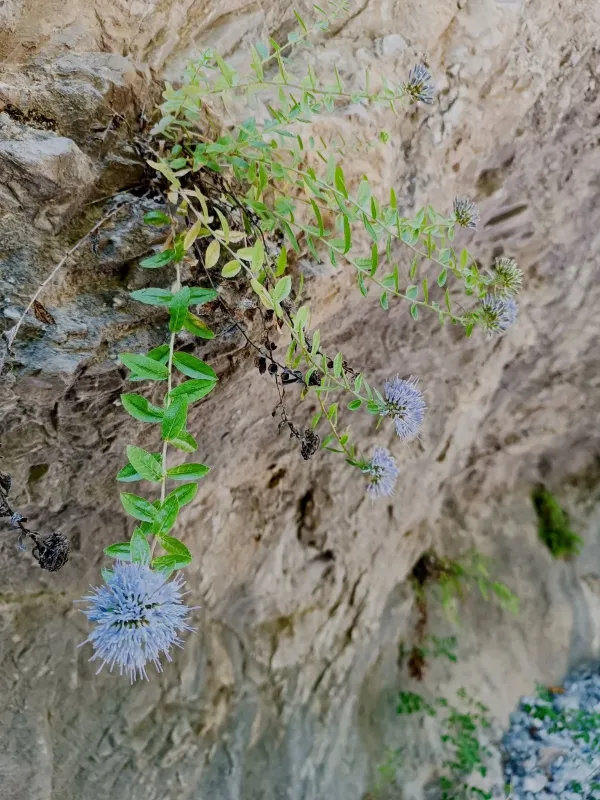
The Rumelian bellflower (Campanula rumeliana) is a perennial herbaceous plant belonging to the Campanulaceae family. It is highly valued in horticulture for its compact, bushy habit and profuse, delicate flowering during the summer months.
Seeds should be sown indoors in late winter or early spring using a sterile, well-draining seed-starting mix. Because the seeds are tiny, they are sown on the surface and pressed gently into the medium without burying them, as they require light to germinate.
Germination typically occurs within two to three weeks if maintained at a consistent temperature of about 20 degrees Celsius. Maintaining high humidity with a clear cover is essential until the seedlings emerge, after which the cover should be removed gradually.
Once the seedlings develop two sets of true leaves, they should be transplanted into larger pots to encourage a healthy root system. Acclimatization to outdoor conditions should be done gradually over a week before the final transplanting.
Planting in the garden is best performed after the last frost has passed. Space the plants approximately 25 to 30 centimeters apart to allow for proper air circulation and to prevent the development of fungal diseases.
Growing requirements
This species thrives in full sun but benefits from partial shade in regions with extremely hot and dry summers. Proper light exposure is crucial to ensure the plant maintains its compact form rather than becoming leggy.
The plant requires well-drained, fertile soil. It is particularly sensitive to waterlogged conditions, which can lead to crown rot; therefore, incorporating sand or fine gravel into the soil is recommended if the substrate is heavy or clay-like.
The ideal soil reaction is neutral to slightly alkaline. Regular monitoring of soil pH can help ensure the plants are absorbing nutrients effectively, especially during the peak of their growing season.
Watering should be balanced. Keep the soil consistently moist but never saturated. In the absence of rainfall, provide a deep soaking periodically rather than frequent light sprinkles, which encourage shallow root growth.
Fertilizing with a balanced, slow-release granular fertilizer early in the spring supports vigorous growth. Avoid high-nitrogen fertilizers that produce excessive foliage at the expense of floral display.
Main diseases and pests
Like many plants in the Campanula genus, the Rumelian bellflower is susceptible to powdery mildew, especially when air circulation is poor. Ensuring adequate spacing between plants is the most effective preventative measure.
Root rot is a common danger when plants are grown in poor-draining soil. If yellowing leaves or wilting are observed despite sufficient watering, the drainage system of the site should be evaluated immediately.
Slugs and snails are the most significant pests for this species. They find the tender foliage very palatable, particularly during damp spring weather, and can cause significant aesthetic damage to the plant.
Aphids can occasionally cluster on the flower stalks, causing distortion of the buds. If an infestation occurs, treating the plants with horticultural soap or neem oil is usually sufficient to control the pest population.
Sanitation is key to maintaining plant health. Regularly removing spent flower heads and dead foliage prevents the buildup of pathogens and helps the plant redirect energy into new growth and late-season blooms.