
Reuter's bellflower
Campanula reuteriana
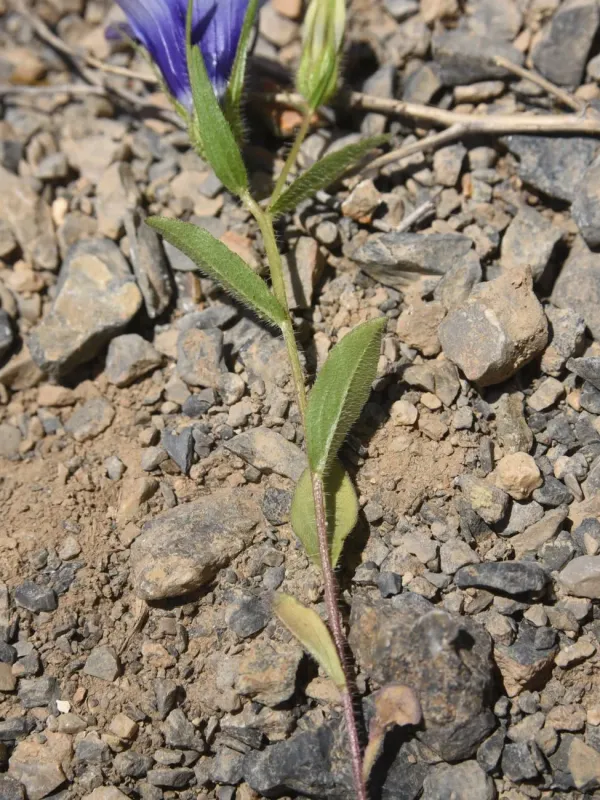
Description
Sowing dates
Sowing seeds of Reuter's bellflower is best performed in early spring once the soil temperature is stable, or in late autumn for natural stratification.
The seeds are very small and light-dependent for germination, so they should be sown on the surface of the soil and covered only very lightly with fine sand.
When starting indoors, use a well-draining seed-starting mix and maintain a temperature of approximately 20 degrees Celsius for optimal sprouting.
Seedlings should be kept in a well-lit area away from direct scorching sun until they develop a strong root system and at least two sets of true leaves.
Transplanting into the garden should be done carefully to avoid disturbing the roots, ensuring the plant is placed at the same depth as it was in the container.
Growing requirements
Reuter's bellflower belongs to the Campanulaceae family and is recognized for its elegant floral structures, which are typical for high-altitude mountain flora.
The plant thrives in soil with a neutral to slightly alkaline pH, provided it has excellent drainage to prevent crown rot during dormant periods.
It prefers locations with full sun to partial shade, where the plant can develop strong stems and vibrant, long-lasting flowers without heat stress.
Consistent moisture is required during the early stages of growth, but established plants demonstrate some tolerance to short periods of dry conditions.
Routine maintenance includes deadheading faded flowers, which encourages the plant to direct its energy toward root development and further blooming cycles.
Main diseases and pests
Fungal infections, such as root rot and powdery mildew, are the primary threats, often occurring when the humidity levels remain too high for extended periods.
Good air circulation is the most effective preventative measure; planting at the recommended density helps ensure the foliage remains dry and healthy.
Common garden pests like aphids and slugs can damage the foliage and blooms, particularly in cooler and damper climates during the late spring months.
Using organic mulches like crushed stone around the base of the plant can deter slugs while simultaneously improving drainage and preventing stem rot.
Integrated pest management, including regular monitoring and manual removal of pests, is recommended to keep the plants looking their best throughout the season.