
Wandering bellflower
Campanula peregrina
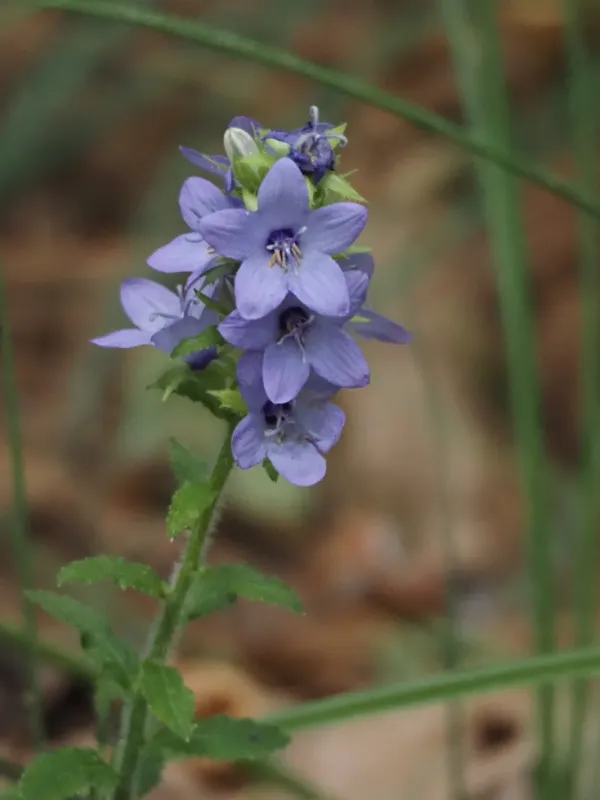
Description
Sowing dates
Sowing the seeds of Campanula peregrina is best performed in the late spring, once the threat of frost has passed. For an earlier bloom, starting seeds indoors in late winter within a light, well-draining potting mix is highly recommended for success.
The seeds are remarkably small and must not be covered with a thick layer of soil. A light dusting of fine substrate or simple pressure against the moist surface is sufficient to ensure proper germination under a clear cover to maintain humidity.
Optimal germination occurs at temperatures between 18 and 20 degrees Celsius. Once the seedlings develop their first true leaves, they should be thinned or transplanted into individual pots to allow for adequate root development before hardening off.
Transplanting into the garden should be done carefully to avoid root disturbance. Choosing a site with consistent moisture levels and protection from harsh winds will help the young plants establish themselves more effectively during the initial growth phase.
Space the plants according to their mature size, usually around 20-30 centimeters apart, to facilitate proper air circulation. This spacing is vital for the health of the foliage and significantly reduces the risk of moisture-related fungal diseases.
Growing requirements
As a member of the Campanulaceae family, the wandering bellflower thrives in environments that mimic its natural Mediterranean habitat. It requires a sunny location, although some protection from intense afternoon heat is beneficial in hotter climates.
The soil must be fertile, loose, and possess exceptional drainage capabilities. Because this species is sensitive to waterlogging, amending heavy clay soils with organic matter and inorganic grit is essential to create a favorable subterranean environment.
Neutral to slightly alkaline pH levels are ideal for this plant. If the local soil is naturally acidic, incorporating lime or wood ash can help improve plant vitality and promote more vibrant flowering throughout the growing season.
Watering should be balanced and consistent, ensuring the root zone remains moist but never saturated. In containers, ensure that drainage holes are unobstructed to prevent the accumulation of excess water, which could lead to root damage.
Periodic fertilization with a balanced, low-nitrogen liquid fertilizer can support the plant's metabolic processes. Avoid over-fertilization, as high nitrogen levels often result in soft, succulent growth that is more susceptible to pests and weather stress.
Main diseases and pests
Fungal issues such as powdery mildew are the most common problems for this species, especially during periods of high humidity. Improving airflow around the plant canopy is the most effective way to manage these conditions without chemical intervention.
Root rot remains a primary threat to Campanula peregrina, usually triggered by poor drainage or overwatering. Should the plant show signs of wilting or discoloration, inspecting the root system and adjusting the soil moisture is critical for recovery.
Slugs and snails are frequent visitors that can cause significant damage to the delicate foliage. Implementing physical barriers, such as copper tape or crushed eggshells, can help protect the plants from these nocturnal garden pests.
Aphids may occasionally appear on the flower spikes, draining the plant's resources. A gentle stream of water or the application of insecticidal soap is usually sufficient to clear the infestation while maintaining the plant's overall health and vigor.
Maintaining a weed-free environment around the base of the plant is essential for long-term health. Weeds not only compete for nutrients but also harbor pests and create localized humidity pockets that encourage the spread of pathogenic spores.