
Campanula hawkinsiana
Campanula hawkinsiana
Description
Growing requirements
Campanula hawkinsiana is a rare perennial species belonging to the Campanulaceae family. Native to the mountainous regions of Greece and Albania, this plant is naturally adapted to limestone screes and rocky crevices at high altitudes, making it a specialized inhabitant of harsh environments.
Cultivation of this species requires a deep understanding of its preference for well-drained, mineral-rich substrates. A gritty, alkaline soil mix is essential to mimic its natural habitat. The inclusion of limestone chips in the planting medium helps maintain the necessary pH levels and improves drainage.
The plant thrives in cool, temperate conditions. While it requires bright light, it often appreciates some protection from intense afternoon sun, especially in warmer climates where overheating can occur. Proper airflow is critical to prevent heat buildup around the foliage.
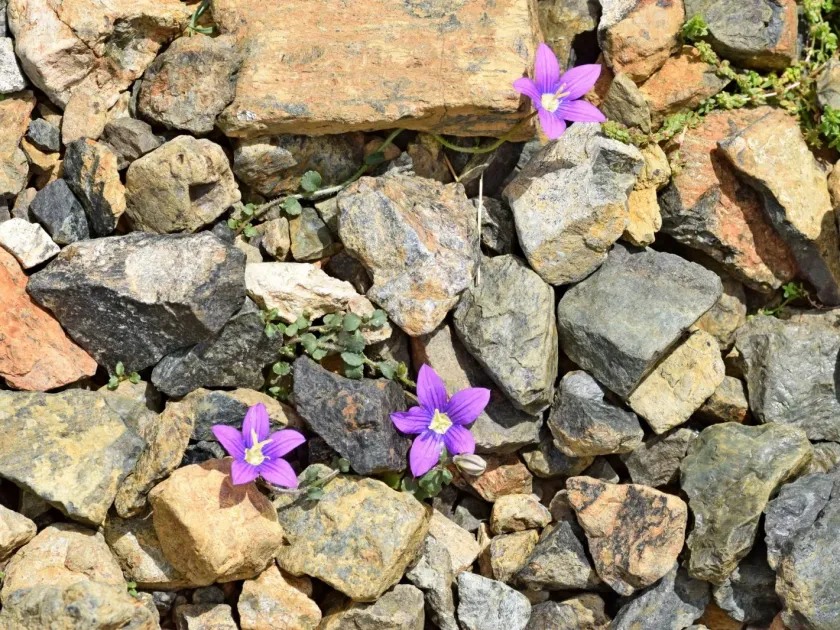
Botanically, it forms compact, low-growing mats of foliage, adorned with deep violet-blue, bell-shaped flowers. This growth habit makes it an excellent choice for rock gardens and crevice plantings, where the species can be displayed in conditions similar to its native alpine slopes.
In terms of usage, Campanula hawkinsiana is primarily utilized in specialized ornamental horticulture. It is highly prized by alpine garden enthusiasts who seek out rare and unique specimens that bring the authentic appearance of high-altitude flora to the garden landscape.
Main diseases and pests
The most significant threat to Campanula hawkinsiana is root rot caused by poor soil drainage. If the substrate remains waterlogged, particularly during the winter dormancy period, the plant is highly susceptible to collapse and death.
Slugs and snails are the most common garden pests affecting this bellflower. These mollusks are particularly drawn to the succulent, tender leaves and can inflict severe damage if not monitored, especially during damp and cool weather cycles.
Aphid infestations can occasionally occur on the developing flower buds and young shoots. These insects weaken the plant by extracting sap, which in turn results in stunted growth and a significant reduction in the quality of the flowering display.
Fungal infections can also be a challenge if air circulation is insufficient. High humidity combined with wet foliage can create the perfect environment for pathogens that lead to leaf spotting or decay of the crown.
Preventive measures include the application of a layer of coarse grit or gravel around the base of the plant. This practice keeps the foliage elevated above the moist soil surface, effectively preventing rot and creating a less hospitable environment for ground-dwelling pests.