
Campanula fritschii
Campanula fritschii
Description
Growing requirements
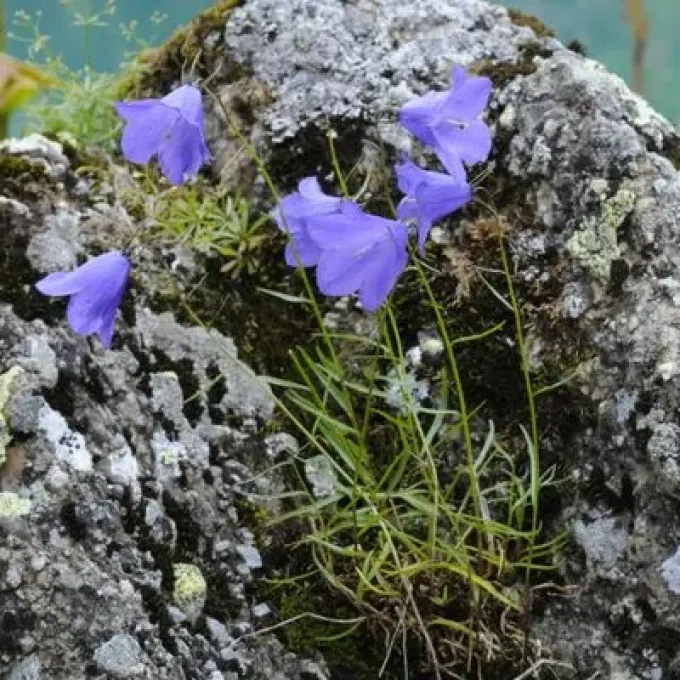
Campanula fritschii is a perennial herbaceous plant belonging to the Campanulaceae family. Native to the Balkan Peninsula, this species is typically found in mountainous regions, often growing in crevices of limestone cliffs and rocky soils where it has developed high resilience to harsh environmental conditions.
The plant features a distinct basal rosette of leaves and upright flowering stems that produce large, blue-to-violet bell-shaped flowers. Its botanical structure is adapted to limited space and lean soil, making it a highly desirable candidate for rock gardens and alpine beds where soil depth is often minimal.
Successful cultivation of Campanula fritschii requires well-drained, porous soil with a neutral to slightly alkaline pH. Proper soil aeration is crucial; heavy, water-logged substrates will quickly lead to root rot and eventual plant failure, especially during winter months when moisture levels are naturally high.
This species thrives in sunny locations but can tolerate partial shade. While it is hardy, it requires consistent, moderate watering during the active growing season, particularly during prolonged dry spells, to maintain its health and promote a vibrant display of its signature bell-shaped blossoms.
In terms of maintenance, this plant benefits from periodic organic fertilization and light soil cultivation to prevent compaction. It is relatively low-maintenance, requiring minimal pruning beyond the removal of spent flowers to encourage a potential second flush of blooms and maintain the plant's aesthetic appeal.
Main diseases and pests
Fungal diseases represent the most significant threat to the health of Campanula fritschii. Powdery mildew can occur in areas with poor airflow and high humidity, leading to leaf discoloration and weakened overall vitality if left unchecked by proper spacing or fungicide application.
Root rot, driven by stagnant water, is a major killer of this species. To mitigate this risk, gardeners should ensure the planting site is slightly elevated or that the soil composition includes a significant amount of grit or gravel to facilitate rapid drainage and prevent water accumulation.
Slugs and snails are the most common pests, frequently targeting young, succulent leaves and developing flower buds. These pests can cause significant damage in short periods, so proactive management, such as using physical barriers or eco-friendly bait, is recommended in damp environments.
Aphids can also pose a problem by clustering on tender flower stalks and stems. While usually not fatal, their feeding can cause stunted growth and deformed flowers; insecticidal soaps or neem oil treatments are often effective remedies for small to moderate infestations.
Preventative maintenance is the best defense against pests and diseases. Removing plant debris from the base of the plant during late autumn helps minimize the environment where pathogens and overwintering insect pests congregate, ensuring a healthier start for the plant the following spring.