
Campanula camptoclada
Campanula camptoclada
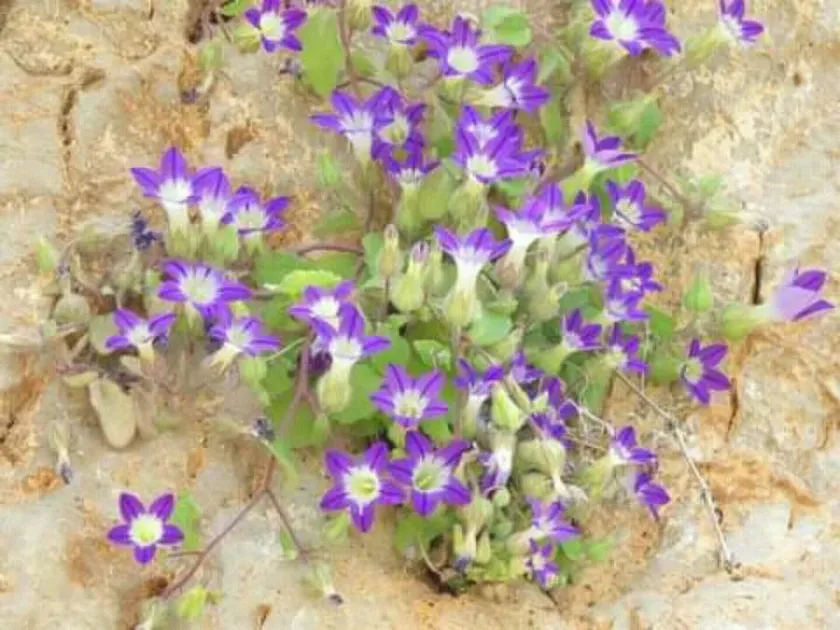
Description
Sowing dates
Campanula camptoclada is a perennial species, and its propagation is primarily achieved through sowing seeds during the early spring season once temperatures reach 10–12 degrees Celsius.
The seeds are notably small, necessitating surface sowing without deep burial to ensure they receive sufficient light for optimal germination.
To enhance the germination rate, horticultural professionals often utilize a cold stratification period for the seeds, simulating their natural mountain environment.
Uniform moisture levels must be maintained during the first two weeks of development to ensure the survival of the fragile seedlings before they gain strength.
Transplanting into the permanent garden site should occur after the final spring frost, ensuring each plant has adequate space for full foliage development.
Growing requirements
Originating from mountainous habitats, this plant has a strict requirement for high soil aeration and will not tolerate poor drainage or waterlogged conditions.
The ideal planting location features full sun or partial shade, combined with a gritty, well-draining soil medium that is neutral to slightly alkaline in pH.
The culture thrives in cooler environments and benefits from organic mulch around the crown, which regulates soil temperature and prevents moisture loss during heatwaves.
Routine maintenance includes light cultivation of the soil surface to improve gas exchange around the roots and prevent crusting of the earth.
Proper nutritional balance is best achieved by incorporating compost, while avoiding excessive nitrogen fertilizers that can lead to weak, elongated stems.
Main diseases and pests
Root rot is the most significant threat to this species, usually caused by poor drainage, overwatering, or the use of heavy, compact soil types.
Garden pests such as slugs and snails are particularly drawn to the soft foliage during humid weather, necessitating the use of perimeter barriers to protect the plants.
Aphids can be a major issue, gathering on the flower stems and draining sap, which stunts growth and prevents healthy bloom development.
Fungal leaf spot diseases are common if the plants are placed too close together, as restricted airflow increases humidity around the stems.
Preventive measures include annual sanitation, such as removing dead growth in the autumn, and ensuring that spacing between plants allows for optimal ventilation.