
Campanula beckiana
Campanula beckiana
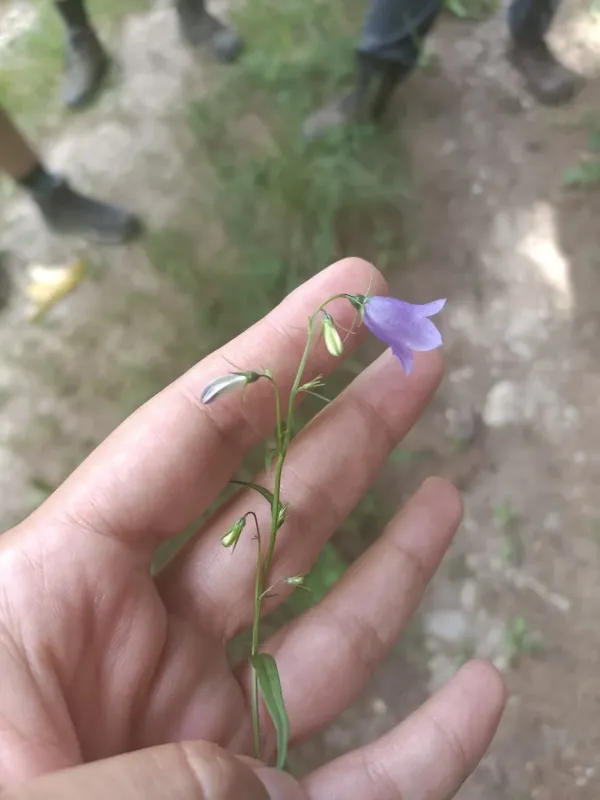
Description
Sowing dates
Campanula beckiana is an endemic perennial that requires specific conditions for propagation. Seeds are sown primarily in protected environments or containers in late winter or early spring to ensure high-quality seedlings.
For successful germination, seeds require stratification at lower temperatures for 4 to 6 weeks. Sowing is done using a surface technique, as the seeds are extremely small and need exposure to light to trigger their biological growth processes.
Seedling transplanting is carried out when the plants reach the phase of two true leaves. Young plants should only be transferred to open ground after the threat of frost has passed, which usually occurs in the second half of May.
When selecting a planting site, preference should be given to areas with good drainage to prevent water stagnation. The distance between individual plants should be at least 25–30 centimeters to ensure adequate air circulation.
The plant can also be propagated vegetatively by dividing the clump in early autumn. This method helps maintain varietal characteristics and ensures more robust specimens for the following growing season.
Growing requirements
Campanula beckiana belongs to the Campanulaceae family and is native to the rocky terrains of the Balkan Peninsula. It prefers well-lit areas but can tolerate partial shade during the peak heat of the day.
The culture has moderate soil requirements, with slightly alkaline or neutral substrates high in calcium being optimal. It is crucial to avoid acidic or heavy clay soils, which can be detrimental to the delicate root system.
Moisture levels must be kept moderate. The plant exhibits certain xerophytic adaptations, so excessive irrigation often leads to root rot and the death of the root crown during the winter-spring transition.
For fertilization, it is recommended to use mineral complexes with low nitrogen content. An excess of nitrogen induces excessive stem elongation, which reduces the plant's decorative value and resistance to wind damage.
During the winter, the plant requires minimal covering in regions with severe frosts. Mulching the base of the clump with gravel or sand helps prevent moisture-related rot during periods of active snowmelt.
Main diseases and pests
The most significant threats to Campanula beckiana are fungal diseases that develop under high humidity. Powdery mildew often attacks leaf plates during periods of significant temperature fluctuations between day and night.
Root rot and fusarium represent serious risks if agricultural practices are neglected. Early symptoms include yellowing and wilting of the foliage, requiring immediate isolation or removal of the affected specimen.
Among pests, slugs and snails are the most problematic, as they actively feed on young shoots in the spring. Implementing traps or creating protective barriers around the plant base is highly recommended.
Aphids can colonize flower buds during the budding phase, sucking out cell sap and causing deformations. To address this, biological insecticides or mild soap solutions can be applied effectively.
Disease prevention relies on regular thinning of plantings and strict soil moisture control. Sanitary pruning of dead plant parts in the autumn significantly lowers the risk of infection spreading in the next season.