
Calyptrochilum emarginatum
Calyptrochilum emarginatum
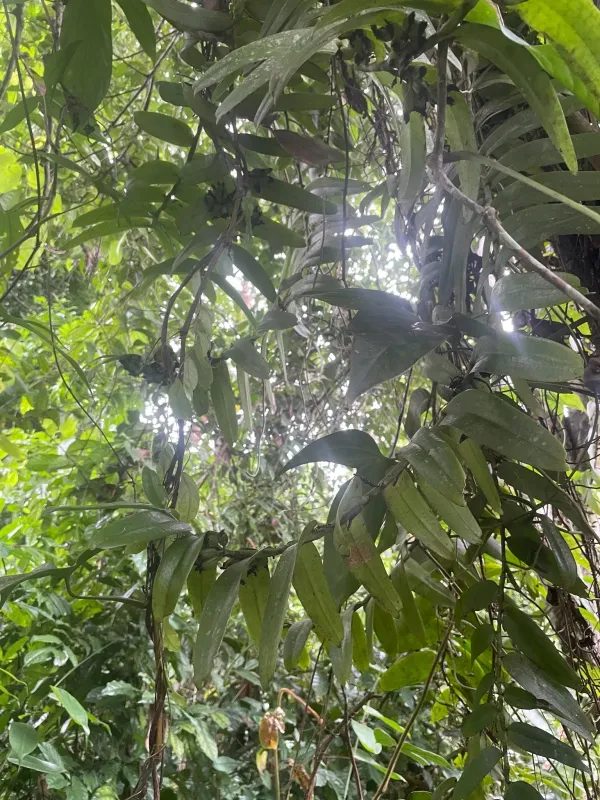
Description
Growing requirements
Calyptrochilum emarginatum is a distinct species belonging to the Orchidaceae family. Native to the tropical regions of Africa, this plant is an obligate epiphyte that naturally thrives in the humid canopy layers of rainforests.
The culture requires high atmospheric humidity, ideally sustained between 75% and 90%. Consistent airflow is essential to prevent the accumulation of stagnant moisture, which can lead to rapid decay of the aerial root system.
Regarding light intensity, this orchid prefers bright, filtered sunlight. Excessive exposure to direct solar radiation is detrimental and will cause leaf scorching, while insufficient light leads to stunted growth and failure to bloom.
Temperature management should mimic its native tropical habitat. Daytime temperatures ranging from +24°C to +29°C are optimal, with a slight nocturnal drop. Maintaining these gradients is vital for the metabolic processes of this species.
The cultivation medium must provide exceptional drainage and aeration. Epiphytic mounting on hardwood slabs or using coarse bark-based substrates is the standard practice to ensure that roots are not kept in a permanently saturated state.
Main diseases and pests
Root and crown rot represent the most significant threats to the health of the plant. These conditions are typically precipitated by overwatering or the use of substrates that have lost their structure and drainage capacity over time.
Scale insects and mealybugs are the primary pests that frequently colonize the orchid. They feed on plant sap and can cause significant damage to young vegetative growth, often requiring targeted pesticide applications.
Fungal infections, such as those caused by Botrytis, can manifest on flowers during periods of high humidity and low ventilation. Maintaining a clean growing environment is essential to reduce the spore load.
Spider mites may become problematic during dry seasons or if indoor humidity levels are allowed to drop significantly. Their presence is marked by fine webbing and yellow stippling on the leaves.
Prevention involves strict quarantine measures for new additions to the collection and the regular use of sterile tools when performing maintenance or propagation tasks.