
Calyptrochilum christyanum
Calyptrochilum christyanum
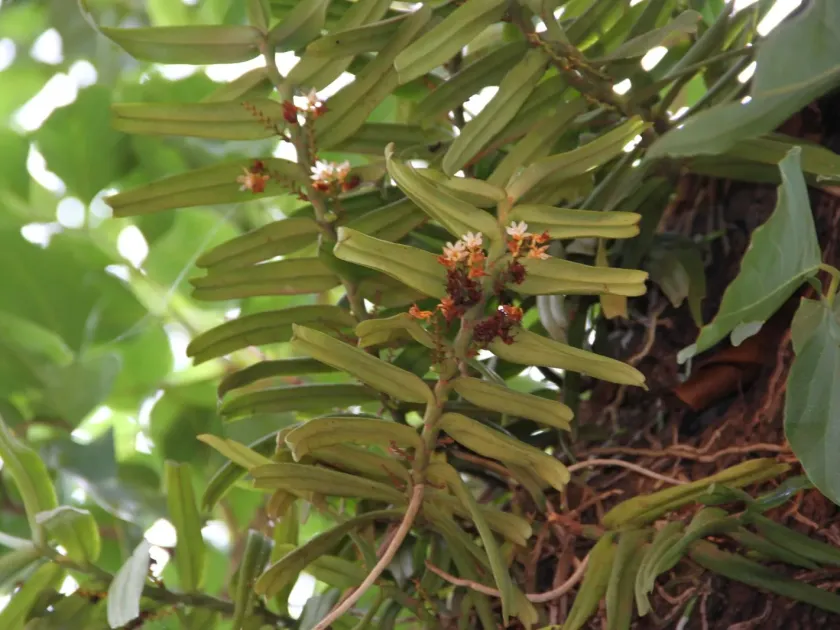
Description
Growing requirements
Calyptrochilum christyanum is an epiphytic species belonging to the Orchidaceae family, native to the tropical regions of Africa. This plant typically grows in high-humidity canopy layers, which defines its specific cultural requirements in cultivation.
The plant requires high humidity levels, ideally maintained between 70% and 80%, to thrive. Environmental temperatures should remain within the tropical range, generally between 22 and 28 degrees Celsius, to support active metabolic processes.
For optimal development, the culture needs diffused, indirect lighting to prevent leaf scorching. The root system is highly sensitive to the substrate composition, which must consist of porous materials like bark and charcoal to ensure efficient aeration and moisture balance.
Agricultural management includes regular misting to satisfy the water uptake needs of the aerial roots. Watering frequency must be carefully controlled, allowing the substrate to slightly dry out between sessions to prevent anaerobic conditions.
The primary use of Calyptrochilum christyanum is within the decorative horticulture sector and botanical research collections. Its aesthetic value is derived from its unique morphological structure and specific flowering characteristics.
Main diseases and pests
The most common health issues involve fungal and bacterial rots, primarily caused by improper watering regimes and poor air circulation. Excessive moisture accumulation in the leaf axils or stagnant conditions within the substrate are critical risk factors.
Common pests affecting this orchid include scale insects and spider mites, which can proliferate rapidly in environments with low humidity. These pests damage the plant tissue, leading to weakened growth and increased vulnerability to infections.
Management strategies involve rigorous inspection and the application of appropriate acaricides or insecticides when infestations occur. Proactive prevention through hygiene is more effective than reactive chemical treatment.
Maintaining a clean growing environment is essential for the long-term health of the species. Sterilizing tools before pruning or maintenance work helps prevent the transmission of pathogens between individual specimens.
If symptoms of disease appear, immediate isolation of the affected specimen is advised to prevent the spread of pathogens to other plants in the collection, followed by a targeted treatment with fungicides.