
Calyptranthes
Calyptranthes
Calyptranthes is a genus of evergreen trees and shrubs belonging to the Myrtaceae family. These plants are native to tropical and subtropical regions of the Americas, with a significant concentration of species found in the Caribbean islands and Brazil.
What the section contains
Calyptranthes
The culture thrives in humid, frost-free environments. It is highly sensitive to cold, which makes greenhouse cultivation or protected site management essential in areas with lower temperatures.
Optimal growth requires well-draining, nutrient-rich soil. The plants are intolerant of waterlogged conditions, which necessitates careful site selection and the use of porous growing substrates to prevent root decay.
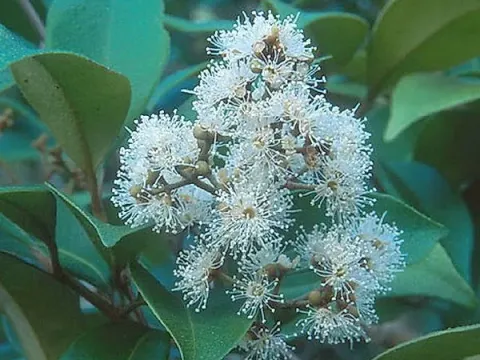
Botanically, the genus is characterized by flowers with petals fused into a calyptra (a cap-like structure) that sheds upon blooming. The leaves are typically opposite, leathery, and contain aromatic oils characteristic of the myrtle family.
Economically, species are utilized for landscape beautification and potentially for essential oil production. Their dense, glossy foliage makes them excellent candidates for ornamental gardening in tropical climates.
The most common pests affecting Calyptranthes include scale insects and mealybugs, which tend to infest the undersides of leaves and young stems during the growth phase.
Fungal issues such as powdery mildew or leaf spot diseases often develop in high-humidity environments where there is insufficient airflow around the plant canopy.
Root rot is the primary physiological threat, usually occurring due to excessive watering or soil compaction that inhibits proper oxygen exchange in the root zone.
Effective management includes regular pruning to improve structural density and light penetration, which helps in preventing microclimates favorable for pests and fungi.
Integrated pest management protocols, including biological controls or targeted fungicide applications, are recommended for maintaining the health of the specimens.