
Calanthe discolor
Calanthe discolor Lindl.
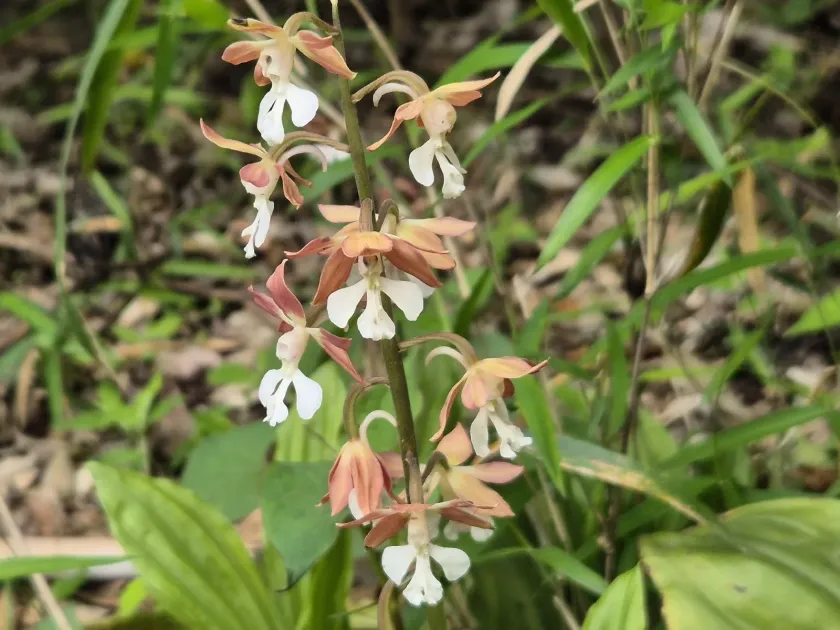
Description
Growing requirements
Calanthe discolor is a terrestrial orchid species belonging to the Orchidaceae family. It is highly regarded by gardeners for its distinct floral structure and graceful appearance, making it a prized specimen for temperate and sub-tropical collections.
The plant originates from East Asia, specifically Japan and the Korean Peninsula, where it inhabits forest floors with deep, organic soils. In its natural habitat, it survives by leveraging the dappled light and moist microclimate of the forest understory.
To cultivate Calanthe discolor successfully, it requires a well-draining, loose growing medium rich in organic matter. A mix of peat, leaf mold, and fine-grade bark mimics its natural environment and supports the development of healthy pseudobulbs.
Environmental requirements include a consistent temperature range of 15°C to 22°C during the growing season. A distinct dormant period is essential, during which temperatures should be lower, typically between 5°C and 10°C, to ensure blooming the following season.
Proper light management is crucial; bright, indirect light is preferred. Prolonged exposure to harsh, direct sunlight will cause leaf discoloration and dehydration, compromising the overall vitality of the plant.
Main diseases and pests
The primary threats to this culture are fungal pathogens, specifically those causing root and bulb rot. These issues are almost exclusively related to overwatering or a lack of proper aeration within the potting medium.
Insect pests such as spider mites and scale insects are common when indoor humidity levels drop significantly. These pests feed on the sap of the orchid, leading to stunted growth and reduced ornamental value.
- Root rot
- Gray mold (Botrytis)
- Spider mites
- Mealybugs
- Scale insects
To mitigate these risks, growers should implement a strict watering schedule, ensuring the substrate dries slightly between waterings. Maintaining good airflow around the foliage helps prevent the colonization of fungal spores.
Monitoring the plant for early signs of infestation allows for mechanical removal or targeted treatment with systemic insecticides. Prioritizing plant vigor through balanced nutrition and proper light exposure remains the best defense against threats.