
Bystropogon punctatus
Bystropogon punctatus
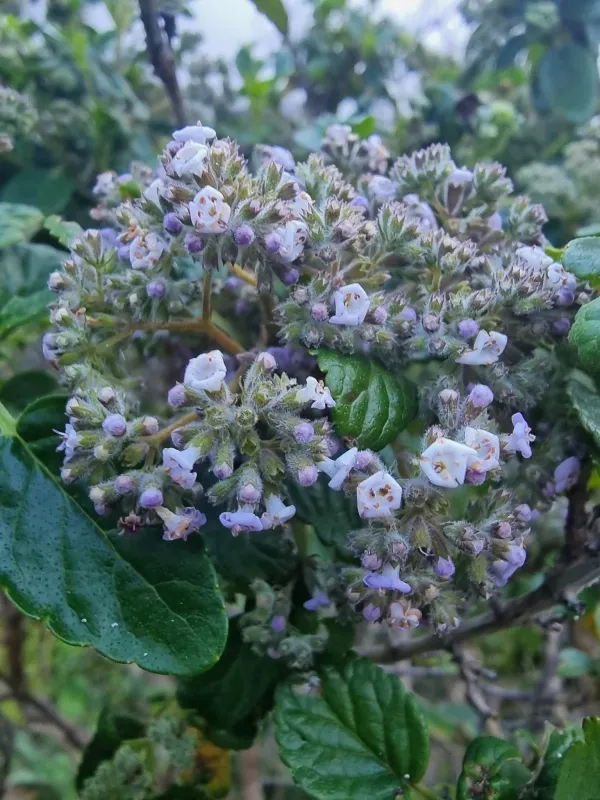
Description
Sowing dates
Bystropogon punctatus is propagated mainly through seeds or cuttings in controlled nursery conditions. Sowing should take place in early spring when the substrate temperature reaches 18–20 degrees Celsius.
Successful germination requires a light, well-aerated soil mixture rich in peat and perlite. Seeds should be sown at a shallow depth of no more than 0.5 centimeters to ensure light penetration.
In commercial agriculture, the seedling method is preferred to ensure uniform plant development. Young seedlings require shade from direct sunlight during the first two weeks of growth.
Transplanting to the final site occurs only after the danger of night frosts has completely passed. The planting layout must ensure sufficient airflow around each bush to prevent moisture accumulation.
Regular watering is essential during the initial phase to establish a strong root system. Adult plants show moderate drought resistance but thrive when provided with consistent, stable moisture levels.
Growing requirements
Bystropogon punctatus is a member of the Lamiaceae family and requires significant sunlight to synthesize the essential oils that define its commercial value. Sunny locations are ideal for its development.
The soil should have a neutral to slightly alkaline pH. Excessive soil acidity can lead to poor plant performance and a decrease in the intensity of the leaves' aromatic compounds.
An efficient drainage system is critical, as waterlogging can cause root decay. On heavy soils, the addition of sand or gravel is necessary to prevent the accumulation of stagnant water.
The temperature optimum for active growth is between 22 and 25 degrees Celsius. Sudden temperature drops and cold drafts should be avoided to prevent plant stress and growth stagnation.
In colder regions, winter protection is required for this perennial species. Applying a layer of mulch around the base of the plant effectively protects the roots from freezing during winter months.
Yield
Yields of green mass depend on the frequency of organic fertilization and proper pruning techniques. The plant is capable of providing multiple harvests throughout a single growing season.
The highest concentration of active compounds is found in the foliage during the peak flowering period. This timing is essential for harvesting high-quality raw materials for the pharmaceutical industry.
Harvesting is best performed during dry weather to ensure the quality of the final product. The use of automated harvesting tools helps maintain the integrity of the delicate leaves.
Post-harvest processing requires drying in shaded, well-ventilated areas to avoid excessive heat. Overheating during the drying process leads to the rapid evaporation of valuable essential oils.
Economic returns are consistent when good agricultural practices are followed. As a niche aromatic crop, it offers promising market opportunities for small and medium-sized farmers.
Main diseases and pests
The primary threats include root rot caused by poor drainage or excessive soil moisture. Fusarium is a common problem in densely planted fields where air circulation is restricted.
Pests such as spider mites can damage the foliage in dry, low-humidity conditions. Early detection through regular monitoring is key to minimizing damage to the aromatic crop.
Aphids may infest young shoots, drawing out nutrients and weakening the plant. Biological control methods are recommended to maintain the organic purity of the harvested raw materials.
Powdery mildew often spreads rapidly in stagnant air. Regular disinfection of agricultural tools and ensuring proper plant spacing are crucial preventative measures against fungal infections.
Weed management is vital to reduce the risk of disease transmission. Keeping the field clean helps prevent pathogens from establishing themselves near the main crop.
Harvesting
Harvesting Bystropogon punctatus involves cutting the vegetative mass at a height of 10–15 centimeters above the soil. This height allows for quick regrowth for subsequent harvests.
All harvesting tools must be clean and sharp to ensure clean cuts. A clean cut promotes faster healing of the plant tissue and prevents potential entry points for pathogens.
Freshly harvested material should be transported quickly to the drying facility. Prolonged exposure to sunlight results in quality loss and the degradation of essential oils.
The drying process should continue until the leaves are brittle enough for storage. Preventing moisture contact after drying is necessary to maintain the shelf life of the crop.
Finished raw materials must be packed in airtight containers to preserve their unique aroma. Proper storage conditions ensure the product remains viable for up to two years.