
Bystropogon maderensis
Bystropogon maderensis
Description
Sowing dates
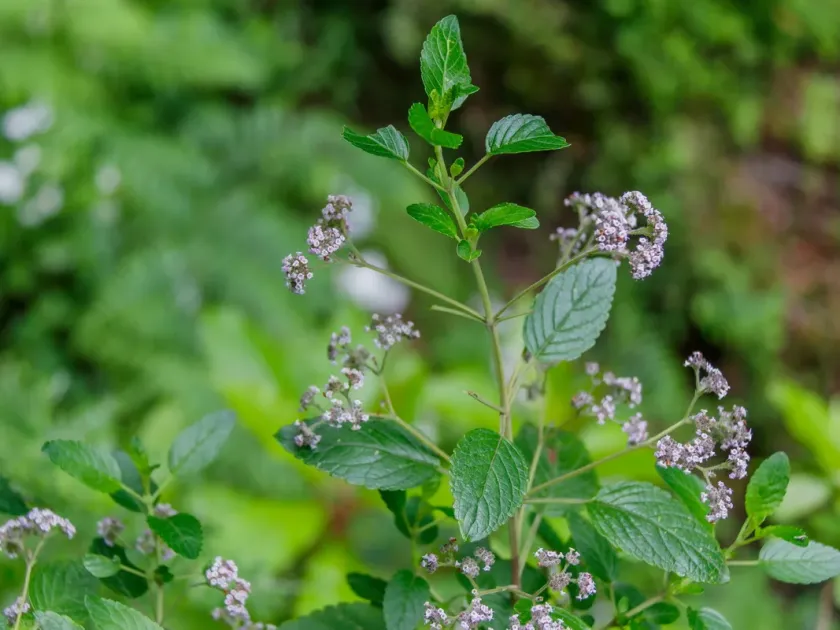
Bystropogon maderensis is a perennial shrub belonging to the Lamiaceae family, native to the island of Madeira. As an agricultural crop, it is primarily valued for its aromatic essential oils, requiring specific greenhouse or climate-controlled environments in non-temperate regions.
Propagation is typically carried out via seeds or vegetative cuttings during the early spring. When planting seeds, it is essential to use a well-draining, sterile substrate. Seeds should be sown at a depth of 0.5 cm, maintaining a consistent temperature and moisture level until germination.
Once seedlings have reached the two-true-leaf stage, they should be transplanted into individual pots or beds with enhanced drainage properties. Proper air circulation is vital at this early growth phase to prevent damping-off diseases common in the Lamiaceae family.
For outdoor production, plants should only be set out after the risk of frost has passed. Planting density should allow for at least 40-50 cm between specimens to ensure optimal airflow and sun exposure, which are critical for the development of high-quality foliage.
Frequent pinching of the leading shoots during the juvenile stage helps to promote bushiness. This horticultural practice increases the total leaf mass available for harvest and improves the overall structural integrity of the plant for mechanical or manual harvesting.
Growing requirements
The plant thrives in sunny locations with high light intensity, which is a prerequisite for the accumulation of essential oils within the leaves. In cultivation, it performs best when provided with at least 6–8 hours of direct sunlight daily.
Soil requirements are quite specific: Bystropogon maderensis demands a light, porous soil mix with an alkaline to neutral pH. Heavy or waterlogged soils are detrimental to the root system, frequently leading to phytophthora and other rot-related issues.
Temperature management is crucial; the plant prefers a stable range of 18–25 degrees Celsius. It is sensitive to extreme fluctuations and cannot tolerate hard frosts. In colder climates, moving the plants to a frost-free, bright location during the winter is a mandatory requirement.
Irrigation should be managed through a 'soak-and-dry' method, ensuring the top 3 cm of soil are dry before the next watering cycle. Overwatering is the most common cause of crop loss in professional greenhouse settings, where precise moisture monitoring is necessary.
- Excellent drainage system using gravel or perlite.
- Balanced NPK fertilizers applied sparingly during peak growth.
- High-intensity natural light or supplemental greenhouse lighting.
- Effective ventilation to maintain humidity below 60%.
Yield
The yield of Bystropogon maderensis is measured primarily by the quantity and quality of its aromatic foliage. Harvesting is typically conducted just as the plant begins to flower, as this coincides with the peak concentration of volatile oils.
Harvesting techniques involve hand-pruning or mechanized trimming of the top 10–15 cm of the branches. This method ensures the plant remains intact, allowing for multiple harvests within a single growing season if the climate permits.
Under optimal greenhouse conditions, yield can reach approximately 2–3 kilograms of fresh biomass per square meter. The biomass must be processed immediately after harvesting to prevent the evaporation of essential oils, which are highly sensitive to thermal degradation.
Drying the harvested material should occur in a dark, cool, and well-ventilated space at temperatures not exceeding 35 degrees Celsius. Proper drying techniques ensure that the aromatic profile remains intact for use in essential oil extraction or herbal tea production.
An established crop can remain productive for up to 5 or 6 years. As the plants age, biomass production tends to decline, necessitating a plan for periodic replanting or rejuvenation of the stock to maintain the commercial viability of the plantation.
Main diseases and pests
Fungal diseases are the primary threat to the crop, particularly powdery mildew, which can spread rapidly in poorly ventilated areas. Maintaining low humidity and good air circulation is the best preventive strategy against these types of pathogens.
Pests such as spider mites and thrips pose significant risks, especially in indoor environments where the air is dry. These pests target the underside of the leaves, weakening the plant and potentially causing significant foliage loss if not addressed early.
Integrated Pest Management (IPM) is highly recommended. The use of biological controls, such as predatory mites, is preferred over synthetic chemical pesticides, as residues can negatively impact the purity of the essential oils produced by the plant.
Sanitation is key to managing disease outbreaks. Removing and destroying infected foliage immediately upon detection prevents the spores from spreading. Always sanitize pruning tools between different plants to minimize the risk of mechanical transmission of pathogens.
Monitoring the plants for stress symptoms, such as wilting or discolored spots, is essential for early intervention. Proper nutrition, especially sufficient potassium, helps improve the plant's natural resistance to diseases and environmental stress throughout its lifecycle.