
Byblis liniflora
Byblis liniflora
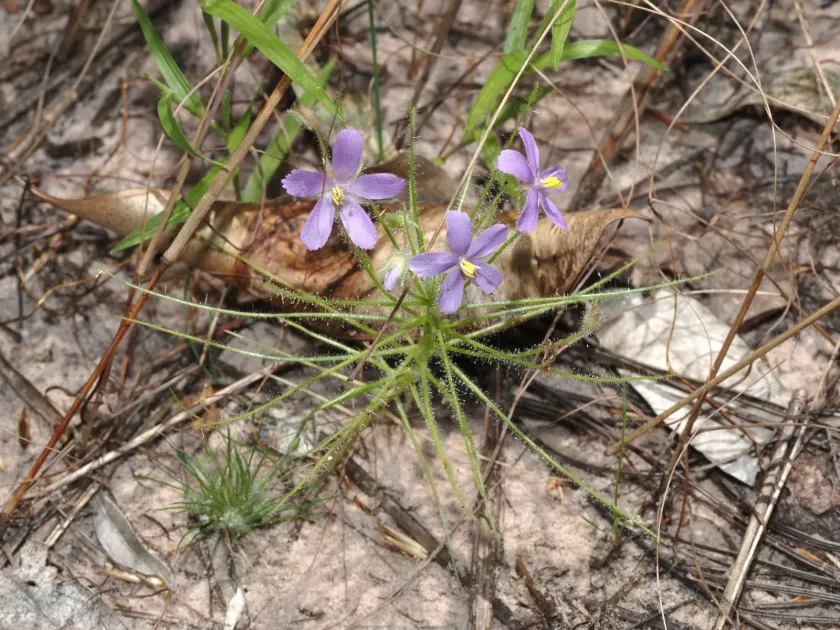
Description
Sowing dates
Byblis liniflora is an annual carnivorous plant that is typically propagated from seed. Successful germination usually requires heat and specific treatment, such as exposure to smoke or gibberellic acid, to break dormancy.
The seeds should be sown on a specialized, nutrient-poor substrate composed of peat moss and sand or perlite. This mixture ensures the proper drainage and acidity levels necessary for the seedlings to thrive in their early stages.
Maintaining high humidity and a stable temperature around 25 degrees Celsius is crucial during the germination phase. The seeds require light for optimal sprouting, so they should be sown on the surface of the medium without deep burial.
Once the seedlings develop their first true carnivorous leaves, they must be gradually acclimated to lower humidity levels. This transition prevents the young plants from experiencing stress when moved to more ventilated conditions.
Careful handling is required during the transplanting phase, as the root system of Byblis liniflora is extremely fragile. Using larger initial pots or seedling trays can help minimize the need for frequent disturbances to the roots.
Growing requirements
Native to tropical regions of Australia and Indonesia, Byblis liniflora is a member of the Byblidaceae family. Known as the Rainbow Plant, it is prized for the glistening, mucilage-covered leaves that capture small insects.
High light intensity is the most critical environmental requirement for this species. To maintain its healthy appearance and functional trap mechanism, the plant should be exposed to maximum possible sunlight throughout the day.
The soil must be strictly nutrient-free, as carnivorous plants have evolved to obtain minerals through prey digestion. A standard mix of sphagnum peat and silica sand works best, keeping the medium consistently moist but not waterlogged.
Only use pure water—such as distilled, reverse osmosis, or rainwater—for irrigation. Any accumulation of minerals or salts from tap water will rapidly poison the roots and lead to the decline of the specimen.
Temperature stability is also important, with a preference for warm days and slightly cooler nights. While it is an annual, providing a consistent environment can significantly extend its growing season and improve flower production.
Main diseases and pests
Fungal infections, particularly root rot, pose the greatest threat to Byblis liniflora. These issues are almost always caused by poor ventilation combined with overly soggy soil conditions that encourage pathogen growth.
Pests like aphids and spider mites frequently target these plants, causing damage to the delicate leaves and reducing their ability to trap insects. Infestations can spread quickly and significantly hinder the plant's overall growth.
Mealybugs are another common concern, often hiding in the stem axils where they are difficult to reach. Their feeding activity drains the plant's vitality and may attract secondary fungal growth on the sticky secretions.
Treatment of pests and diseases requires extreme caution, as the plant is highly sensitive to chemicals. It is best to avoid standard broad-spectrum pesticides, which can easily burn the sensitive leaf tissues and kill the plant.
Proactive care, including removing dead leaves and ensuring adequate airflow, is the best defense. If treatment is necessary, using dilute organic remedies or manual removal is much safer than resorting to harsh chemical sprays.